
Complete Guide to Cleaning Polycarbonate Sheets: Solid & Multiwall
Quick Summary: Learn the essential techniques for cleaning both solid polycarbonate sheets and multiwall polycarbonate to maintain optical clarity, prevent damage, and extend lifespan for 10+ years.
Polycarbonate sheets are renowned for their exceptional strength, impact resistance, and optical clarity, making them ideal for safety barriers, greenhouse glazing, protective screens, and DIY projects. However, maintaining their pristine appearance and structural integrity requires proper cleaning and maintenance. This comprehensive guide covers everything you need to know about cleaning both solid and multiwall polycarbonate sheets, avoiding costly mistakes, and implementing long-term care strategies.
Download our detailed maintenance guide: Cleaning Polycarbonate Sheets – Manufacturer Recommendations (PDF)
Contents
Understanding Polycarbonate Sheets
Before diving into cleaning techniques, it's essential to understand why polycarbonate sheets are favored across industries and what makes them unique.
Why Choose Polycarbonate?
- Exceptional Strength: Polycarbonate sheets are over 250 times stronger than glass of the same thickness, making them virtually unbreakable.
- Impact Resistance: Ideal for safety barriers, protective screens, and riot shields due to their ability to withstand heavy impacts.
- Optical Clarity: High natural light transmission (up to 88%) without compromising strength, perfect for glazing applications.
- Lightweight: Weighing approximately half as much as glass, polycarbonate sheets are easy to handle and install.
- UV Protection Options: Available with UV-resistant coatings to prevent yellowing and degradation in outdoor applications.
- Thermal Efficiency: Multiwall varieties offer superior insulation properties, reducing energy costs.
- Versatility: Used in construction, DIY projects, agriculture, and industrial applications.
Solid vs. Multiwall Polycarbonate: Cleaning Differences
While both solid and multiwall polycarbonate sheets use the same base material, their different structures require slightly modified cleaning approaches.
Solid Polycarbonate Sheets
Solid polycarbonate sheets are dense, non-porous materials offering maximum clarity and strength.
- Available in 2mm, 3mm, 4mm, 6mm, and 10mm thicknesses
- Superior optical clarity for display applications
- Easier to clean (no channels or cavities)
- Best for: Safety barriers, protective screens, signage
- Cleaning Note: Simple surface cleaning sufficient
Multiwall Polycarbonate Sheets
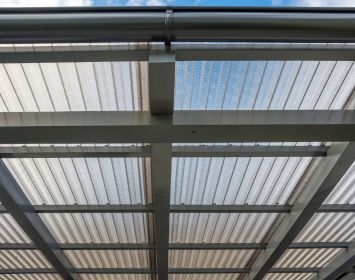
Multiwall polycarbonate sheets feature internal ribs creating air pockets for insulation.
- Available in 6mm, 10mm, 16mm, and 25mm thicknesses
- Superior thermal insulation (R-value up to 2.4)
- Internal channels can trap moisture/condensation
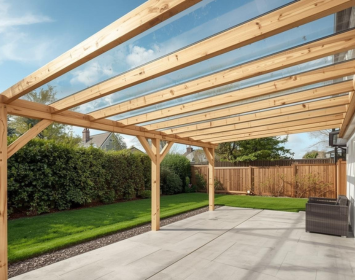
- Best for: Greenhouse glazing, roofing, skylights
- Cleaning Note: Requires edge care and condensation management

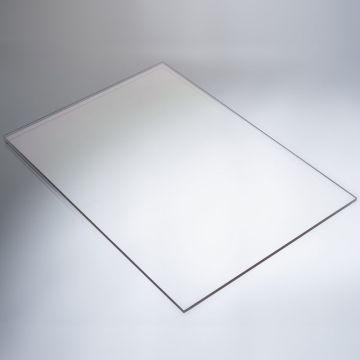
Solid Polycarbonate Sheet

Clear Polycarbonate Sheet
Essential Cleaning Principles
These foundational principles apply to both solid and multiwall polycarbonate sheets.
Five Core Rules for Safe Polycarbonate Cleaning
✓ Rule 1: Gentle Approach
Polycarbonate is strong against impact but vulnerable to scratching. Always use soft, non-abrasive materials during cleaning.
✓ Rule 2: Mild Soap Solution
Use lukewarm water with mild dish soap (pH neutral, 7-8). Avoid detergents with harsh surfactants.
✓ Rule 3: Microfiber Cloths
Invest in quality microfiber cloths. They're lint-free, soft, and effective at trapping dirt without scratching.
✓ Rule 4: Avoid Chemical Hazards
Never use alcohol, acetone, ammonia-based cleaners, or solvents. These degrade polycarbonate and cause yellowing/hazing.
✓ Rule 5: Thorough Rinsing
Always rinse thoroughly with clean water to remove all soap residue, which can leave streaks and film.
Pre-Cleaning Preparation
Proper preparation prevents damage and ensures more effective cleaning.
What You'll Need
| Item | Purpose | Why It Matters |
|---|---|---|
| Microfiber cloths | Primary cleaning tool | Won't scratch surface; captures fine particles |
| Soft-bristle brush | Remove loose debris | Avoids scratching while lifting dust/dirt |
| Mild dish soap | Cleaning agent | pH-neutral, effective on oils/residue |
| Lukewarm water | Solvent | Cold water doesn't dissolve soap; hot can warp sheets |
| Clean water (rinse) | Remove soap residue | Tap water is fine; avoid mineral-rich water if possible |
| Cotton gloves | Hand protection | Prevents fingerprints and natural skin oils transferring |
| Squeegee (optional) | Remove water quickly | Speeds drying; reduces water spots on multiwall edges |
Step-by-Step Cleaning Process
Follow this systematic approach for optimal results.
Step 1: Remove Loose Debris
- Use a soft-bristle brush or cloth to gently remove dust, dirt, and loose particles
- For multiwall sheets: Brush along the ribs to dislodge particles trapped in channels
- Never use compressed air or high-pressure jets—these can force dirt into edges
Step 2: Prepare Cleaning Solution
- Fill a bucket with lukewarm water (not hot, not cold)
- Add 2-3 drops of mild dish soap per liter of water
- Stir gently to distribute soap evenly
- Test the solution on a small, inconspicuous area first
Step 3: Apply Cleaning Solution
- Dip a microfiber cloth into the soapy water
- Wring out excess water (cloth should be damp, not dripping)
- Gently wipe the polycarbonate surface in circular motions
- Work from top to bottom to prevent dirty water running over clean areas
- For multiwall sheets: Pay extra attention to seams and edges where moisture collects
Step 4: Rinse Thoroughly
- Use a fresh microfiber cloth dampened with clean water
- Wipe the entire surface to remove all soap residue
- Repeat the rinse step 2-3 times for large sheets
- Any remaining soap will cause streaking and dull appearance
Step 5: Dry the Surface
- Use a clean, dry microfiber cloth to remove excess moisture
- Optional: Use a squeegee for large sheets (very effective on multiwall edges)
- Allow natural air drying to complete the process
- Avoid direct sunlight while wet—can leave mineral deposits or cause uneven drying
Specialized Cleaning by Application
Safety Barriers & Protective Screens
These applications often face heavy impacts, UV exposure, and environmental debris accumulation.
- Frequency: Monthly or quarterly depending on environment
- Challenge: Impact marks, debris buildup, potential surface stress cracks
- Method: Start with soft brush to remove loose debris; use mild soap for stubborn marks
- Inspection: After cleaning, check for micro-cracks or damage caused by impacts
- Tip: For riot shields or high-impact surfaces, avoid scrubbing and stick to gentle wiping
Greenhouse Glazing
Maintaining optical clarity is essential for maximum light transmission to plants.
- Frequency: Bi-weekly to monthly for outdoor greenhouses
- Challenge: Algae growth, mineral deposits, condensation on multiwall sheets
- Method: Use soft brush first to remove algae/biological growth; follow with mild soap solution
- Special Note – Multiwall: Water accumulation in internal channels reduces light transmission. Drill small drainage holes at sheet edges if condensation persists
- Drying: Ensure complete drying to prevent algae re-growth and thermal stress
- Seasonal: Spring and autumn cleaning crucial before/after growing seasons
Skylights & Roof Panels
Exposure to weather and difficult accessibility require special care strategies.
- Frequency: 1-2 times annually (spring and autumn)
- Safety First: Use proper fall protection and ladder stability
- Challenge: Leaves, bird droppings, tree sap, extreme weather exposure
- Method: Remove debris with soft brush; use mild soap for stubborn residue
- For Multiwall: Check edge seals and drainage after cleaning
- Important: Never use high-pressure washers—they can force water into seams and void warranties
Displays, Signage & DIY Projects
Optical clarity and aesthetic appearance are paramount for these applications.
- Frequency: Weekly to bi-weekly depending on location and use
- Challenge: Fingerprints, dust accumulation, protective film residue
- Method: Use microfiber cloths exclusively; avoid any tool that could scratch
- Protective Film: If removing protective backing, use gentle heat and avoid solvents
- Final Polish: For crystal clarity, follow cleaning with a dry microfiber cloth for streak-free finish
Common Cleaning Mistakes to Avoid
Learning what not to do is just as important as knowing the right techniques.
❌ Mistake 1: Using Abrasive Materials
The Problem: Scrubbing brushes, scouring pads, or steel wool scratch the surface, creating a cloudy, hazy appearance over time.
The Solution: Always use soft microfiber cloths and soft-bristle brushes only.
❌ Mistake 2: Harsh Chemical Cleaners
The Problem: Ammonia-based cleaners (Windex), alcohol, acetone, and solvents damage polycarbonate, causing discoloration, yellowing, and structural weakness.
The Solution: Stick exclusively to mild dish soap and water. When in doubt, check the manufacturer's cleaning guide.
❌ Mistake 3: Incomplete Rinsing
The Problem: Leftover soap residue creates streaks, a dull film, and attracts dirt. This ruins the optical clarity you just cleaned for.
The Solution: Rinse thoroughly 3-4 times with clean water. For large installations, a final distilled water rinse eliminates mineral deposits.
❌ Mistake 4: High-Pressure Washers
The Problem: Pressure washers (1500+ PSI) force water into seams, damage surface coatings, and can delaminate multiwall sheets. Often voids manufacturer warranties.
The Solution: Use only gentle hand cleaning with soft tools and low-pressure water (hose spray, not blaster).
❌ Mistake 5: Cleaning in Extreme Conditions
The Problem: Cleaning in direct sunlight or extreme heat can cause soap to dry too fast, leaving streaks. Cold conditions slow drying and trap moisture.
The Solution: Clean in mild temperatures (15-25°C), ideally on overcast days or early morning/evening.
❌ Mistake 6: Neglecting Regular Maintenance
The Problem: Allowing dirt and debris to accumulate hardens deposits, requiring more aggressive (and damaging) cleaning. UV damage accelerates without preventive care.
The Solution: Establish a regular cleaning schedule: monthly for outdoor applications, quarterly for indoor, and inspect for UV damage annually.
Long-Term Maintenance Strategy
Consistent care extends polycarbonate lifespan to 10+ years with maintained optical clarity.
Preventing Scratches During Installation & Maintenance
- Handle sheets with clean hands or cotton gloves to avoid fingerprints and oils
- Keep protective film on sheets until final installation
- Use soft materials (felt, rubber) when clamping or supporting sheets
- Store vertical sheets on padded racks, never flat stacks (pressure damage)
- Mark installation areas to avoid working over the visible surface
UV Protection & Yellowing Prevention
- UV-Coated Sheets: Purchase UV-resistant polycarbonate sheets for outdoor applications—they include built-in UV blockers
- Additional Protection: Apply UV-blocking film or coatings for extreme climates (tropical regions, high-altitude areas)
- Inspection Frequency: Check for yellowing annually; early detection allows protective treatment before damage spreads
- Natural Color Change: Minor color shift over 10+ years is normal; significant yellowing indicates missing/degraded UV protection
Regular Inspection Protocol
Quarterly inspections catch minor issues before they become costly problems.
What to Check:
- Surface for scratches, cracks, or stress marks (white stress lines indicate pressure)
- Edges of multiwall sheets for moisture accumulation or discoloration (indicates seal failure)
- Seams and joints for water infiltration or separation
- Color uniformity (yellowing patterns indicate UV exposure or heat stress)
- Impact damage from hail, flying debris, or collisions
Temperature & Environmental Considerations
- Thermal Expansion: Polycarbonate expands/contracts with temperature. Ensure installation allows 3-5mm movement per meter of sheet length
- Extreme Heat: Temperatures above 40°C can cause warping. Provide ventilation or shade in hot climates
- Freeze-Thaw Cycles: In cold climates, ensure proper drainage and avoid water pooling (causes ice buildup and expansion damage)
- Humidity Control: In high-humidity areas, ensure edge seals are intact to prevent internal moisture
Seasonal Maintenance Checklist
| Season | Maintenance Task | Priority |
|---|---|---|
| Spring | Deep clean after winter debris; inspect for freeze damage; check drainage in multiwall seams | High |
| Summer | Monitor for UV damage; check for heat stress/warping; clean monthly (bird droppings, pollen) | Medium |
| Autumn | Remove leaf debris; pre-winter inspection; clean greenhouse panels before dormant season | High |
| Winter | Inspect after ice storms; check seals for water infiltration; ensure drainage paths remain clear | High |
Troubleshooting Common Cleaning Problems
Problem: Hazy or Cloudy Appearance
Causes: Soap residue, chemical damage, or fine scratches
- Solution: Rinse thoroughly 4-5 times with clean water. If hazing persists, the damage may be chemical (from harsh cleaners)—irreversible without professional restoration
Problem: Streaking After Cleaning
Causes: Incomplete rinsing, tap water minerals, or improper drying
- Solution: Final rinse with distilled water; dry with fresh microfiber cloth; clean in shade (sunlight evaporates water too quickly, leaving deposits)
Problem: Scratches & Surface Marks
Causes: Abrasive cleaning tools or contact with sharp objects
- Minor Scratches (surface only): Polish with fine-grade polishing compound designed for plastics (test on corner first)
- Deep Scratches (visible depth): Irreversible; prevents water damage by sealing edges with silicone sealant
- Prevention: Always use soft cloths; store properly; handle with care during installation
Problem: Moisture Inside Multiwall Sheets
Causes: Damaged edge seals, condensation, or poor drainage
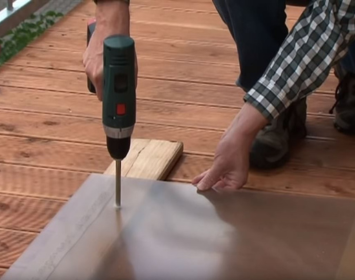
- Temporary Solution: Drill small (2-3mm) drainage holes at lowest points of sheet installation; angle drilled holes slightly downward
- Permanent Solution: Replace affected sheets with correctly sealed ones
- Prevention: Ensure proper installation with compatible edge seals; ensure downward slope for drainage (minimum 5° for skylights)
Problem: Yellowing or Discoloration
Causes: UV exposure (without UV coating) or chemical degradation
- Prevention is Key: Always purchase UV-protected sheets for outdoor applications
- Existing Yellowing: Non-reversible; applying UV-blocking film may slow further degradation
- Long-Term Protection: Replace degraded sheets with UV-coated alternatives
Frequently Asked Questions
Q: Can I use Windex or other glass cleaners?
A: No. Ammonia-based glass cleaners damage polycarbonate, causing hazing, yellowing, and weakening. Use only mild soap and water.
Q: How often should I clean polycarbonate sheets?
A: Frequency depends on application and environment. Outdoor applications: monthly. Greenhouses: bi-weekly to monthly. Indoor displays: as needed (typically weekly). Regular maintenance prevents buildup and extends lifespan.
Q: Is it safe to clean multiwall polycarbonate from the inside?
A: Yes, but carefully. Never introduce water directly into channels (can trap moisture). If interior condensation is excessive, this indicates seal failure and sheets should be replaced or drainage holes drilled at edges.
Q: Can scratches be repaired?
A: Minor surface scratches may be polished with plastic-specific polishing compound. Deep scratches are permanent. Prevention through proper handling and gentle cleaning is far more effective than repair.
Q: What's the difference between solid and multiwall polycarbonate durability?
A: Both last 10+ years with proper care. Solid sheets are easier to clean and maintain. Multiwall sheets offer superior insulation but require careful management of edge seals and internal moisture. Solid polycarbonate suits high-traffic, high-visibility applications; multiwall polycarbonate excels for thermal control (greenhouses, roofing).
Q: Does the thickness of polycarbonate affect cleaning?
A: No. Cleaning method remains the same for 2mm through 25mm sheets. Thicker sheets may be heavier (installation consideration) but don't require different cleaning techniques. 2mm, 3mm, 4mm, and 6mm solid sheets and 4mm, 6mm, 16mm, and 25mm multiwall sheets all respond identically to proper gentle care.
Q: Is there a best time of year to do a deep clean?
A: Spring and autumn are ideal for deep cleaning. Spring removes winter debris and allows inspection for freeze damage. Autumn prepares sheets for winter and clears debris before dormant season. Avoid extreme temperatures; moderate weather (15-25°C) prevents streaking and ensures thorough drying.
Ready to Maintain Your Polycarbonate Sheets?
Proper cleaning and maintenance transform polycarbonate sheets from a short-term solution into a durable, cost-effective investment lasting 10+ years with maintained optical clarity and structural integrity.
Whether you're maintaining solid polycarbonate sheets for protective barriers and displays or multiwall polycarbonate for greenhouses and roofing, start with a complete cleaning today and commit to a seasonal maintenance routine.
Need supply accessories or replacement sheets? Browse our full range of polycarbonate sheets and maintenance accessories online. Download our manufacturer cleaning guide (PDF) for reference at any time.
About This Guide: This comprehensive guide covers best practices for cleaning solid and multiwall polycarbonate sheets based on manufacturer recommendations and field experience. Always consult product-specific care instructions for UV-coated, tinted, or specialty polycarbonate varieties. For professional cleaning services on large installations, consult local providers specializing in polycarbonate maintenance.