

Why Choose Multiwall Polycarbonate Sheets: Complete Roofing & Glazing Guide
Multiwall polycarbonate sheets deliver the perfect balance of strength, insulation, and affordability for roofing, glazing, and outdoor structures. Unlike glass or solid alternatives, multiwall combines superior thermal efficiency with proven durability—making it the intelligent choice for greenhouses, pergolas, carports, and industrial buildings worldwide.
Discover why architects, contractors, and homeowners specify multiwall polycarbonate for energy-efficient roofing that lasts 10-20+ years with minimal maintenance while reducing heating and cooling costs by up to 30%.
Multiwall Polycarbonate at a Glance
Key Advantages:
- 250 times stronger than glass — resists hail, vandalism, and impact damage
- Superior thermal insulation — U-values as low as 0.83W/m2K (better than triple glazing)
- 85% light transmission — bright interiors with soft, diffused light
- UV Longlife protection — filters 98%+ harmful UV, prevents yellowing for 10-20+ years
- Lightweight construction — 1/7th weight of glass, easy installation
- Multiple thicknesses — 4mm to 55mm for any application
- Cost-effective roofing — 20-30% cheaper than glass, ROI in 2-4 years
- Extreme weather resistant — performs in -40°C to +120°C temperature ranges
[IDEAL FOR] Greenhouses • Pergolas • Carports • Patios • Industrial roofing • Agricultural buildings • Skylights
Table of Contents
The Multiwall Advantage: Why Contractors Choose Polycarbonate
Multiwall polycarbonate delivers unbeatable value for roofing and glazing projects:
- Proven durability: 10-20+ year lifespan with UV Longlife protection across extreme climates
- Energy savings: Superior insulation reduces heating/cooling costs by 20-30% annually
- Fast installation: Lightweight sheets + simple glazing bar system = 40-50% faster than glass
- Low maintenance: No painting, minimal cleaning, no regular repairs needed
- Safety benefits: Won't shatter—safe for overhead applications in populated areas
- Better aesthetics: Soft, diffused light creates pleasant interiors vs harsh glare of glass
What is Multiwall Polycarbonate?
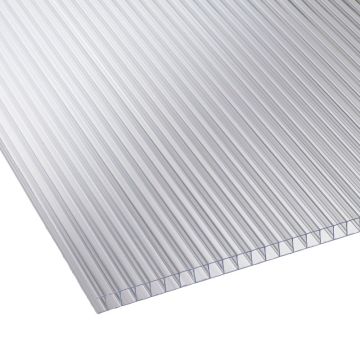
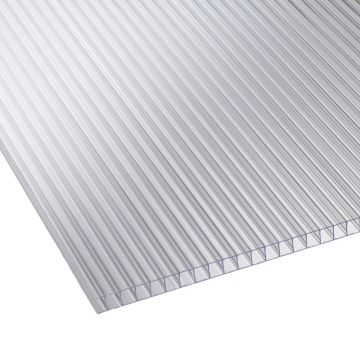
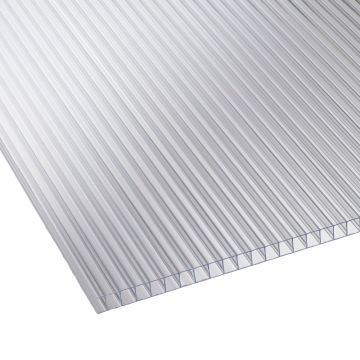
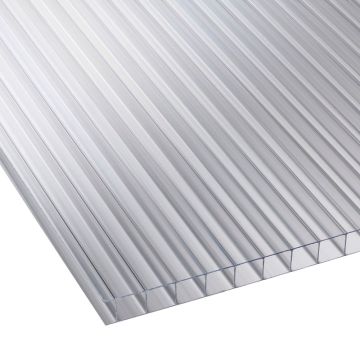
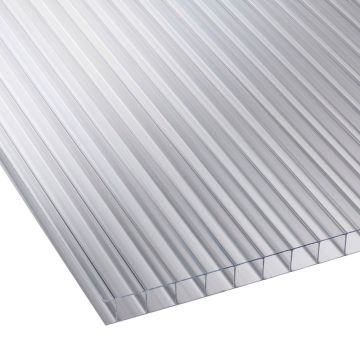
Multiwall polycarbonate (also called twin-wall, triple-wall, or cellular polycarbonate) is a high-performance thermoplastic glazing material consisting of multiple layers of polycarbonate sheet bonded together by internal ribs, creating hollow chambers. This innovative structure delivers an exceptional combination of strength, insulation, and light transmission that solid glass simply cannot match.
Structure
Multiwall sheets feature:
- Twin-wall (4-6mm): 2 layers + 1 internal rib
- Triple-wall (10mm): 3 layers + 2 ribs
- Multi-wall (16-25mm): 4-5 layers + multiple ribs
- Hollow chambers: Trap air for thermal insulation
Manufacturing
Premium multiwall polycarbonate (like Marlon ST Longlife) features:
- Coextruded UV barrier: Applied during manufacturing
- High-impact formulation: Damage-resistant polycarbonate
- Precise thickness control: Consistent quality
- Multiple colors: Clear, bronze, grey, opal, diffuse
- Standard sizes: 2050mm x 3050mm sheets
Impact Strength & Durability: 200x Stronger Than Glass
Multiwall polycarbonate is 250 times stronger than glass, making it the ultimate material for applications where impact resistance matters. Hail, vandalism, accidental damage, and extreme weather—multiwall polycarbonate handles it all.
Real-World Impact Scenarios
- Hail impact: Multiwall resists; glass shatters into dangerous shards
- Vandalism: Won't break from thrown objects or tools
- Tree branch impact: Flexes without cracking
- Weather stress: Maintains integrity across extreme temperature swings
- Roof debris: Absorbs loads without structural failure
- Safe failure: Never creates sharp, dangerous fragments
Temperature Resilience
Multiwall polycarbonate maintains its strength and properties across extreme temperature ranges:
- Temperature range: -40°C to +120°C
- Arctic climates: Brittleness not a concern
- Tropical heat: Won't degrade or warp
- Thermal cycling: Resists repeated hot/cold stress
- Benefit: Ideal for extreme climate applications worldwide
UV Protection & Weatherability: Lasting 10-20+ Years
The coextruded UV Longlife protection barrier is what separates premium multiwall polycarbonate from cheap alternatives. This transparent barrier filters over 98% of harmful UV radiation while allowing visible light to pass through—keeping sheets crystal clear for decades.
Protection Benefits
- 98%+ UV filtration: Protects people underneath from harmful sun exposure
- Prevents yellowing: Maintains optical clarity year after year
- Stops brittleness: UV doesn't degrade the polycarbonate structure
- Maintains strength: Impact resistance doesn't degrade over time
- Weathering resistance: Protects from rain, snow, salt spray, pollution
- 10-20+ year lifespan: With proper installation and maintenance
Without Proper UV Protection
- Year 1-2: Visible yellowing begins
- Year 3-4: Significant clarity loss
- Year 5+: Brittleness develops, impact resistance drops
- Year 7-10: Complete failure, requires replacement
- Result: Costly premature replacement
- Prevention: Always specify UV-protected multiwall (Longlife grade)
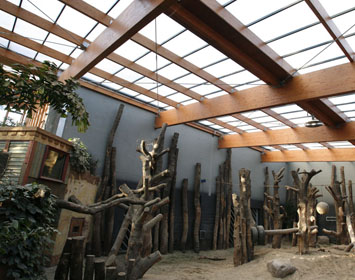
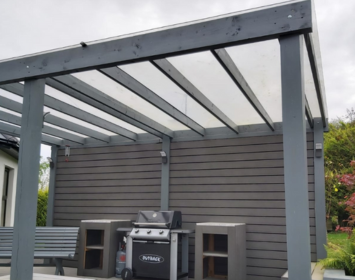
Multiwall Polycarbonate in Action


Thermal Insulation & U-Values: Superior Energy Efficiency
The hollow chamber structure of multiwall polycarbonate acts as a thermal insulator, trapping air and preventing heat loss. This makes it significantly more energy efficient than traditional glazing materials—outperforming even high-end double and triple glazing systems.
Understanding U-Values: Lower is Better
U-value measures heat loss: It shows how much heat (in watts) passes through one square meter of material for every degree of temperature difference. Therefore, the LOWER the U-value, the BETTER the insulation.
- Standard single glass: U = 5.0 W/m2K (poor insulation)
- Double glazing: U = 2.8 W/m2K (moderate)
- Triple glazing: U = 1.9 W/m2K (good)
- Argon-filled triple: U = 1.5 W/m2K (very good)
- 10mm multiwall PC: U = 1.4-1.9 W/m2K (excellent)
- 16mm multiwall PC: U = 1.0-1.3 W/m2K (superior)
Energy Savings Benefits
- Reduced heating costs: 20-30% annual savings in cold climates
- Reduced cooling costs: Significant savings in hot climates
- Lower carbon footprint: Fewer emissions from heating/cooling
- Faster payback: Energy savings justify material cost within 2-4 years
- Comfortable interiors: Less temperature variation throughout space
- Greener choice: Promotes sustainable building practices
Application Recommendations
- 4-6mm (twin-wall): Light duty, non-insulation critical
- 10mm (triple-wall): Most greenhouses and roofing—good balance
- 16mm (multi-wall): Heavy snow loads, high-insulation requirements
- 25mm+: Maximum insulation for extreme climates
- 25mm: Industrial/commercial with premium efficiency needs
- Always: Specify UV Longlife protection for outdoor applications
Light Transmission & Diffusion: Optimal Growing Conditions
Multiwall polycarbonate transmits 85% of light while providing soft, diffused illumination. This is superior to solid glass or solid polycarbonate for many applications—reducing glare, heat stress on plants, and creating pleasant indoor environments.
Light Transmission Comparison
- Clear glass: 90% transmission, harsh glare, intense heat
- Multiwall 4-6mm: 85% transmission, soft diffusion, pleasant light
- Multiwall 10-16mm: 80-85% transmission, excellent balance
- Solid polycarbonate: 88-90% transmission, no diffusion
- Opal multiwall: 75-80%, increased diffusion, reduced glare
- Bronze tinted: Solar control, reduces heat gain
Benefits of Diffused Light
- For greenhouses: Reduces heat stress on tender plants
- For agriculture: More even light distribution = better yields
- For patios: Comfortable shade without full darkness
- For interiors: Natural light without harsh shadows
- For storage: Light without fading products
- For workspaces: Better visibility, reduced eye strain
Condensation: Understanding the Phenomenon & Prevention
Condensation is often misunderstood. Light misting on the interior surfaces in the first few months after installation is normal and typically disappears on its own. However, persistent condensation or water droplets inside the cellular structure indicates installation or ventilation issues that should be addressed.
Why Polycarbonate Absorbs Moisture
Polycarbonate is hygroscopic — it naturally absorbs moisture from the atmosphere. The hollow cellular structure can retain this moisture, which condenses when temperature differentials exist between the interior and exterior surfaces. This is a material characteristic, not a defect.
Normal Condensation (Surface Misting)
- What it looks like: Light mist on sheet surfaces (like fogged glass)
- When it appears: First few months after installation
- Why it happens: Sheets settling and releasing absorbed moisture
- Solution: Patience—usually disappears within 6 months
- Action needed: None, this is normal behavior
- Ventilation: Improves airflow and speeds resolution
Persistent Condensation (Water Droplets)
- What it looks like: Large water droplets inside cellular structure
- Cause: Poor ventilation + high moisture atmosphere + large temperature differential
- Risk scenarios: Low-pitch north-facing roofs, high humidity environments
- Solutions: Improve ventilation, increase roof pitch, use ventilated glazing bars
- Prevention: Proper installation with vents and correct glazing technique
- Installation guide: See complete installation instructions →
Condensation Prevention Checklist
- ✓ Install with proper ventilation (gap between top of sheet and glazing bar)
- ✓ Use ventilated glazing bars or H-profiles
- ✓ Ensure roof pitch minimum 10 degrees for drainage
- ✓ Seal all edges properly to prevent water ingress from outside
- ✓ Never seal the tops completely—allow air circulation
- ✓ Install gutters to manage water runoff
- ✓ Avoid low-pitch designs in high-humidity areas
- ✓ Allow 2-3mm thermal expansion gap at all edges
- ✓ Proper installation by experienced installers prevents most condensation issues
Multiwall vs Solid Polycarbonate: Which Should You Choose?
Both materials excel at different applications. The choice depends on your specific needs for insulation, clarity, and impact resistance:
Multiwall Polycarbonate
BEST FOR:
- Superior thermal insulation
- Greenhouses & plant growing
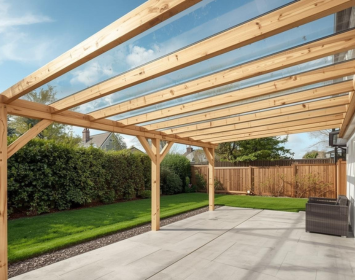
- Pergolas & patio covers
- Carports & parking structures
- Agricultural buildings
- Energy efficiency priorities
- Lower initial cost
- Cost-benefit analysis favors multiwall
Solid Polycarbonate
BEST FOR:
- Maximum optical clarity (88-90%)
- Safety barriers & machine guards
- Display cases & vitrines
- Protective screens
- Architectural glazing (premium)
- Applications needing 250x impact resistance
- Outdoor glazing (non-insulation critical)
- Complete solid polycarbonate guide →
Real-World Applications for Multiwall Polycarbonate
Greenhouses & Growing
10mm multiwall is the industry standard. Provides ideal combination of light transmission, insulation, and durability. 10-20+ year lifespan with proper maintenance.
Pergolas & Patios
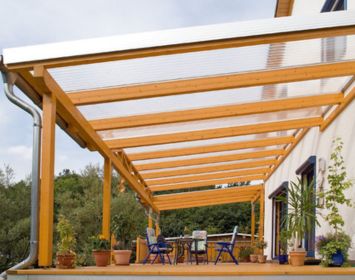
4-10mm provides shade with diffused light. Creates comfortable outdoor living spaces. Hail and weather resistant for peace of mind.
Carports & Parking
16mm multiwall for heavy snow/hail resistance. Protects vehicles while allowing light. Energy efficient if covered area leads to building.
Agricultural Buildings
10-16mm for livestock barns, crop storage, equipment sheds. Provides natural light while maintaining temperature control and durability.
Industrial Roofing
16-25mm for warehouses, factories. Reduces electricity costs with natural lighting. Vandalism resistant and maintenance-free.
Bus Shelters & Transit
10mm provides weather protection, visibility, and safety. Impact resistant for high-traffic environments. Durable through years of use.
Cost Analysis & ROI: Why Multiwall Makes Financial Sense
While initial material costs are lower than glass, the real value emerges through lifetime cost of ownership. Energy savings, durability, and minimal maintenance make multiwall polycarbonate the most economical choice for most roofing applications.
Material Cost
Glass: €25-45/m²
Multiwall: €15-30/m²
Difference: 20-30% cheaper
Installation Cost
Glass: €40-70/m² (heavy, skilled labor)
Multiwall: €20-35/m² (lightweight, faster)
Savings: 40-50% faster installation
20-Year Cost
Glass: €150-250/m² (replacements, repairs)
Multiwall: €60-110/m² (minimal maintenance)
Result: 60% lower lifetime cost
ROI Example: 100m² Greenhouse Roof
Material cost savings: 20-30% lower than glass = €1,500-2,500 savings
Installation cost savings: 40-50% faster = €2,000-3,500 labor savings
Annual energy savings: 20-30% heating cost reduction = €400-800/year
Total first-year advantage: €4,000-7,000 vs glass = 2-3 year payback period, then pure savings
Frequently Asked Questions
How much stronger is multiwall polycarbonate than glass?
Multiwall polycarbonate is 250 times stronger than glass. It resists hail, vandalism, and impact damage while maintaining structural integrity across extreme temperature ranges (-40°C to +120°C).
What is the difference between multiwall and solid polycarbonate?
Multiwall has internal ribs creating hollow chambers for insulation and light diffusion (85% transmission), while solid is a single sheet for maximum clarity (88-90%). Multiwall offers better thermal insulation; solid offers superior impact resistance.
How long do multiwall polycarbonate sheets last?
With UV Longlife protection, multiwall polycarbonate lasts 10-20+ years outdoors. The coextruded UV barrier filters 98%+ of harmful UV radiation, preventing yellowing and maintaining clarity and structural properties.
What is the U-value and thermal efficiency of multiwall polycarbonate?
Multiwall polycarbonate achieves U-values as low as 0.83W/m2K, making it more thermally efficient than most triple glazing or argon-filled double glazing. This reduces heating/cooling costs and carbon footprint significantly.
Why is condensation forming inside my multiwall polycarbonate sheets?
Polycarbonate is hygroscopic (absorbs moisture). Light misting typically appears within first few months and disappears. Persistent condensation indicates inadequate ventilation, high humidity, or poor installation. Ensure proper ventilation and correct installation technique.
What thickness of multiwall polycarbonate should I choose?
Choose based on application: 4-6mm for light glazing, 10mm for most roofing (greenhouses, pergolas), 16mm for heavy snow loads or high-impact areas, 25mm+ for maximum insulation. Thicker sheets provide better insulation and impact resistance.
Can multiwall polycarbonate be used in extreme climates?
Yes. Multiwall polycarbonate maintains its properties across extreme temperature ranges (-40°C to +120°C). UV Longlife protection makes it suitable for intense sun exposure. It's ideal for arctic, tropical, and high-altitude climates worldwide.
How much does multiwall polycarbonate roofing cost compared to glass?
Initial material cost is 20-30% lower than glass. Total project cost is 40-50% lower due to lighter weight, faster installation, longer lifespan (10-20+ years), and minimal maintenance. ROI is typically 2-4 years through energy savings.
Ready to Specify Multiwall Polycarbonate for Your Project?
Browse our complete selection of UV-protected multiwall sheets (4mm-55mm, multiple colors) or get expert advice from our team.
Related Polycarbonate Guides
Installing Multiwall Roofing
Complete step-by-step installation guide with proper techniques to avoid condensation and ensure 10-20+ year lifespan.
Read Guide →Solid Polycarbonate Sheets
Complete guide to solid polycarbonate—superior clarity, maximum impact resistance, and 250x stronger than glass.
Read Guide →How to Cut Polycarbonate
Step-by-step guide to cutting multiwall and solid sheets with proper tools and techniques for clean results.
Read Guide →Cleaning Polycarbonate
Safe cleaning methods and maintenance schedule to keep multiwall sheets crystal clear throughout their lifespan.
Read Guide →Polycarbonate vs Perspex vs Plexiglas
Material comparison guide with durability, clarity, cost analysis, and best applications for each plastic sheet type.
Read Guide →Secondary Glazing Installation
How to install secondary glazing with polycarbonate sheets to improve energy efficiency and reduce heating costs.
Read Guide →Multiwall Polycarbonate: The Smart Choice for Modern Roofing
Multiwall polycarbonate delivers an unmatched combination of strength, insulation, affordability, and durability. Whether you're building a greenhouse, pergola, carport, agricultural structure, or industrial facility, multiwall polycarbonate outperforms glass on every metric that matters—cost, energy efficiency, durability, and safety.
The 10-20+ year lifespan with UV Longlife protection, 200x impact resistance, superior thermal insulation (U-values to 0.83W/m2K), and 85% light transmission make multiwall polycarbonate the intelligent choice for roofing projects that must balance performance, economy, and sustainability. Your investment pays dividends through energy savings, lower maintenance costs, and long-term reliability that glass simply cannot match.
Ready to specify multiwall polycarbonate for your roofing project? Our expert team at 365 Plastics (Access Plastics) can help you select the perfect thickness, color, and UV protection for your application. Use our instant roof calculator to estimate materials and cost, or contact us at 01 8010022 or [email protected] for expert guidance and competitive pricing today.