
Why Choose Solid Polycarbonate Sheets: Benefits, Applications & Complete Guide
Solid polycarbonate sheets deliver superior strength, clarity, and versatility that glass and other materials simply can't match. Whether you're designing a commercial structure, renovating a greenhouse, or creating protective barriers, this comprehensive guide reveals why solid polycarbonate is the intelligent choice for modern construction and fabrication projects.
Discover the exact specifications, cost analysis, performance advantages, and real-world applications that make solid polycarbonate sheets the go-to material for architects, engineers, and DIY professionals across Europe.
Solid Polycarbonate At a Glance
Key Advantages:
- Impact Resistance (200+x Glass): Won't shatter or break into sharp pieces
- Crystal Clear Clarity (88-90% Light): Virtually crystal clear like glass
- Lightweight (1/6th Glass): Easier installation and handling
- 10-20+ Year Lifespan: Cost-effective over time
- Available 2mm to 20mm: Applications from delicate to heavy-duty
- Weather Resistant: Perfect for indoor and outdoor use
- Easy to Fabricate: Cut, drill, route, or thermoform on site
- Fully Recyclable: Environmentally responsible choice
[BEST FOR] Glazing • Roofing • Safety barriers • Outdoor structures • Displays • Industrial applications
Table of Contents
Why Solid Polycarbonate Beats Glass & Alternatives
Solid polycarbonate is engineered for performance. Here's what sets it apart:
- Unmatched Impact Resistance: 250 times stronger than glass, passes ASTM D3763 safety standards
- Crystal Clear Clarity: 88-90% light transmission rivals glass optical quality
- UV Stability: Coextruded UV protection prevents yellowing for 10-20+ years
- Lightweight Installation: 1/6th the weight of glass = faster, easier installation
- Design Flexibility: Cut, shaped, formed on site—impossible with glass
- Weather Proof: Maintains integrity in extreme cold, heat, rain, snow, and UV
What is Solid Polycarbonate?
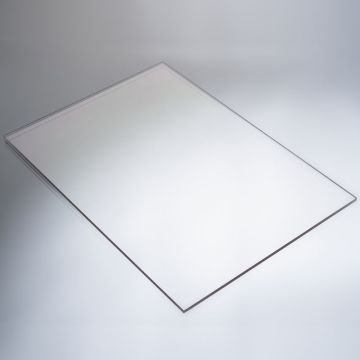
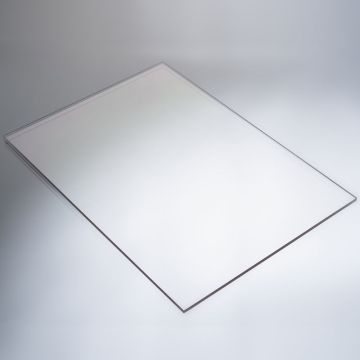
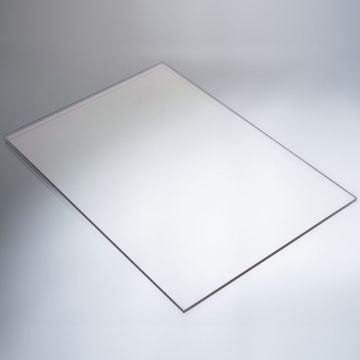
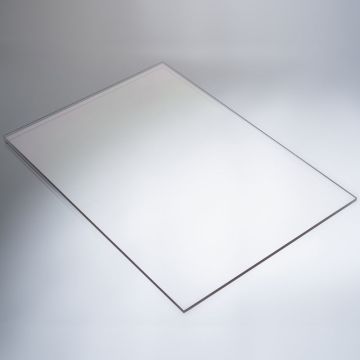
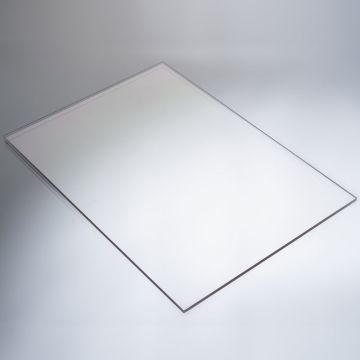
Solid polycarbonate is a high-performance thermoplastic material engineered for maximum durability and optical clarity. Unlike multiwall polycarbonate which has hollow internal chambers, solid polycarbonate is a single continuous sheet with no voids—delivering superior impact resistance and light transmission.
Material Composition
Solid polycarbonate is manufactured from polycarbonate resin through an extrusion process. The material can be formulated with different properties:
- Standard Grade: General-purpose applications
- UV-Protected Grade: Coextruded UV-blocking layer for outdoor use
- Impact-Modified: Enhanced safety for high-risk environments
- Abrasion-Resistant: Hard coatings for heavy-use applications
- Tinted/Colored: Available in clear, bronze, grey, opal, and custom colors
How It's Made
The extrusion process creates sheets of consistent quality:
- Polycarbonate resin is melted at precise temperatures
- Molten plastic is forced through shaped dies to form sheets
- For UV-protected versions, protective layer is coextruded simultaneously
- Sheets are cooled and cut to standard sizes (typically 2050mm x 3050mm)
- Quality checked for thickness, clarity, and defects
Key Features & Specifications
???? Impact Resistance
Solid polycarbonate is 250 times more impact resistant than glass. It can absorb massive force without breaking, cracking, or shattering. This is why it's used for bank windows, riot shields, and protective barriers where safety is paramount. Impact strength varies by thickness: 2mm sheets resist moderate impacts, while 10mm+ sheets withstand severe trauma.
???? Optical Clarity
88-90% light transmission means solid polycarbonate is nearly as clear as glass. Thinner sheets (2-4mm) are completely transparent, while thicker sheets may have slight haze depending on formulation. The material maintains clarity without yellowing when UV-protected, making it ideal for applications requiring pristine visibility.
⚖️ Lightweight (1/6th Glass Weight)
A 10mm solid polycarbonate sheet weighs approximately 2.4 kg/m², compared to 25 kg/m² for equivalent glass thickness. This dramatic weight difference reduces structural requirements, simplifies installation, and lowers transportation costs—making projects faster and more cost-effective.
☀️ UV Protection & Durability
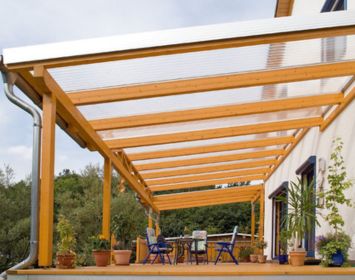
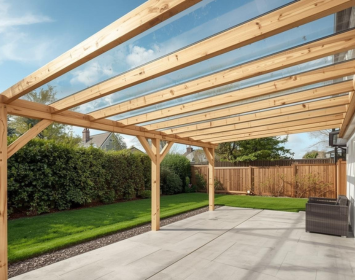
Coextruded UV-protective layer prevents yellowing, brittleness, and light degradation. With proper UV protection, solid polycarbonate lasts 10-20+ years outdoors. Without UV protection (for indoor use), sheets can last indefinitely. This makes it ideal for greenhouses, pergolas, exterior glazing, and architectural applications.
????️ Weather Resistance
Solid polycarbonate maintains integrity in extreme conditions: -40°C to +120°C temperature ranges, heavy rain, snow loads, hail impacts, salt spray, and intense UV. It won't crack, warp, or degrade like acrylic or other plastics, making it the preferred material for demanding outdoor applications worldwide.
✂️ Fabrication-Friendly
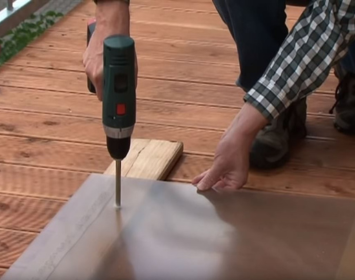
Unlike glass, solid polycarbonate can be cut, routed, drilled, bent, and thermoformed on site with standard tools. This design flexibility enables custom solutions: unique shapes, curved panels, integrated frames, and site-specific modifications—all impossible with brittle glass.
Solid Polycarbonate in Action
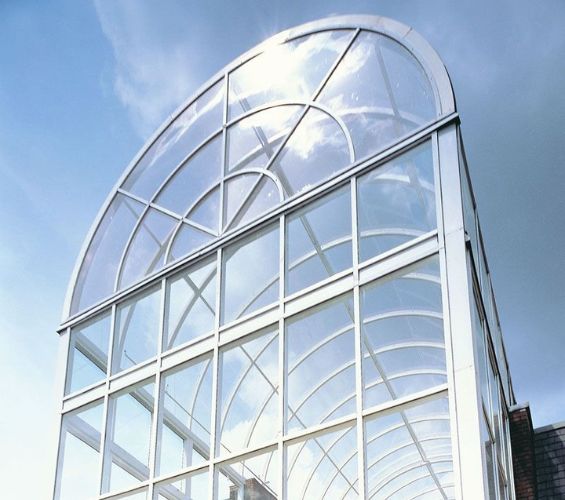
Solid Polycarbonate vs Glass: Complete Comparison
Solid Polycarbonate
- ✓ 250 times more impact resistant
- ✓ Won't shatter (safe for high-risk areas)
- ✓ 1/6th weight of glass (easier installation)
- ✓ 88-90% light transmission (crystal clear)
- ✓ Can be cut, drilled, formed on site
- ✓ Weather resistant (-40 to +120°C)
- ✓ UV options for outdoor durability
- ✓ 10-20+ year lifespan outdoors
- ✓ Lower long-term cost of ownership
Glass
- ✗ Shatters into sharp, dangerous pieces
- ✗ Safety concerns in public areas
- ✗ 6 times heavier than polycarbonate
- ✗ Brittle—cracks from impact or stress
- ✗ Cannot be fabricated on site
- ✗ Requires careful handling during installation
- ✗ Higher installation costs & labor
- ✗ Prone to extreme temperature cracking
- ✗ More expensive total cost of ownership
Solid vs Multiwall Polycarbonate: Which Should You Choose?
Both solid and multiwall polycarbonate have advantages. The choice depends on your specific application:
Solid Polycarbonate
- Best for: Maximum clarity
- Maximum impact resistance
- Safety applications
- Display cases
- Protective screens
- Outdoor glazing
- Interior design elements
Multiwall Polycarbonate
- Best for: Better insulation
- Thermal efficiency
- Lower cost
- Greenhouse roofing
- Pergola covers
- Light diffusion
- Privacy applications
Key Differences
- Structure: Solid vs hollow ribs
- Clarity: Solid wins (88-90% vs 85%)
- Impact: Solid much stronger
- Insulation: Multiwall better
- Cost: Multiwall lower initial
- Lifespan: Both 10-20+ years
- See multiwall guide →
Real-World Applications for Solid Polycarbonate
Glazing & Windows
Replace traditional windows with solid polycarbonate for:
- Skylights (natural light, no glare)
- Storm windows (impact & weather protection)
- High-security glazing (banks, facilities)
- Secondary glazing (energy efficiency)
- Display case windows (museums, retail)
Roofing & Structures
Lightweight yet durable roofing for:
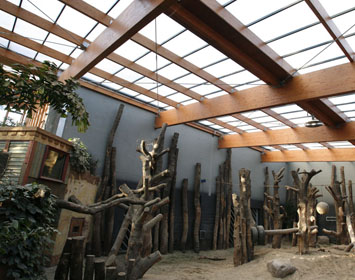
- Greenhouses (maximum light, durability)
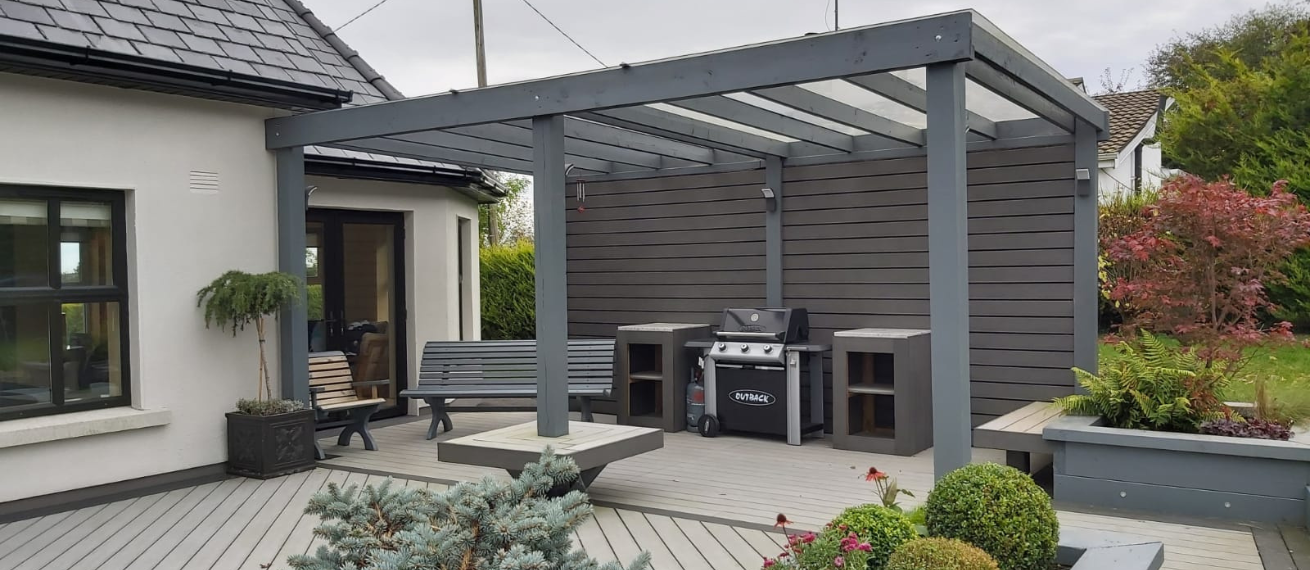
- Pergolas & carports
- Canopies & shelters
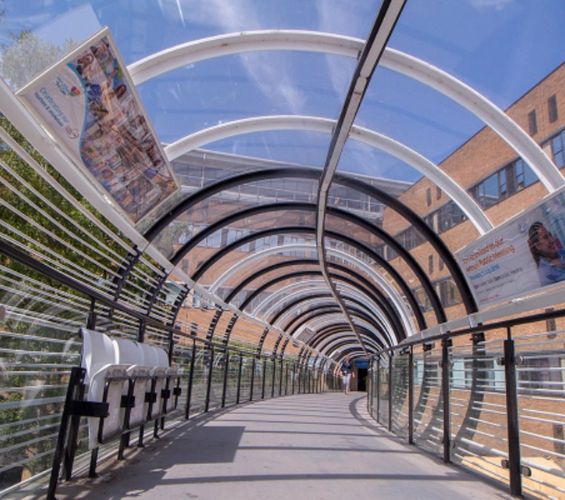
- Exterior walkways (safe, clear)
- Bus shelters & transit stations
Safety & Protection
Superior safety in critical applications:
- Machine guards (factory safety)
- Protective screens (banks, pharmacies)
- Ballistic-resistant panels
- Safety barriers & railings
- Spill containment barriers
Signage & Displays
Premium material for professional applications:
- Outdoor advertising signs (UV-stable)
- Building-integrated displays
- Retail point-of-purchase displays
- Museum & gallery vitrines
- Trade show booth panels
Why Choose Solid Polycarbonate: 7 Core Benefits
1. UNCOMPROMISING SAFETY
Won't shatter into dangerous fragments. Meets safety standards (ASTM D3763). Ideal for schools, hospitals, public spaces, and facilities where safety is paramount.
2. CRYSTAL CLEAR VISIBILITY
88-90% light transmission delivers glass-like optical clarity. Perfect for applications where sight lines matter—windows, display cases, protective barriers, and architectural features.
3. LONG-TERM DURABILITY
With UV protection, solid polycarbonate lasts 10-20+ years outdoors without yellowing, cracking, or degrading—far longer than acrylic or other plastics. Withstands extreme temperatures and harsh weather.
4. LIGHTWEIGHT INSTALLATION
1/6th the weight of glass means fewer structural supports, faster installation, reduced labor costs, and easier handling. Lighter than acrylic too—simplifying every stage of your project.
5. DESIGN FLEXIBILITY
Cut, drill, routed, bent, or thermoformed on site with standard tools. Create custom shapes, curved panels, and site-specific modifications impossible with rigid glass—enabling innovative design solutions.
6. LOWER TOTAL COST OF OWNERSHIP
While initial cost may be similar to glass, lifetime savings are substantial: easier installation (-30% labor), no breakage costs, minimal maintenance, and superior lifespan. ROI typically achieved within 3-5 years.
7. ENVIRONMENTALLY RESPONSIBLE
Fully recyclable material that can be reused in new products. Lighter weight reduces transportation emissions. Extended lifespan means less material waste over the project's lifetime.
Cost Analysis: Solid Polycarbonate vs Glass & Alternatives
While initial material costs can be similar, total project costs and lifetime ROI strongly favor solid polycarbonate:
Material Cost
Glass: €15-30/m²
Solid PC: €20-35/m²
Acrylic: €12-25/m²
Installation Cost
Glass: €30-50/m² (heavy, requires care)
Solid PC: €15-25/m² (lightweight, faster)
Acrylic: €20-30/m² (medium difficulty)
Lifetime Cost (20 years)
Glass: €80-120/m² (replacements, maintenance)
Solid PC: €40-70/m² (minimal maintenance)
Acrylic: €50-85/m² (yellowing, replacement)
Installation & Fabrication
One of solid polycarbonate's greatest advantages is its ease of installation and on-site customization:
Fabrication Options
- Cutting: Circular saw, jigsaw, bandsaw
- Drilling: Standard drill bits (avoid high speeds)
- Routing: Create grooves and channels
- Bending: Gentle heat (120-135°C) for curves
- Thermoforming: Professional equipment for complex shapes
- Cutting Guide →
Installation Tips
- Use stainless steel or coated fasteners
- Allow for thermal expansion (⅜ mm per meter per °C)
- Use appropriate gaskets/sealants
- Never use silicone on polycarbonate surfaces
- Support panels every 60cm for 6-10mm sheets
- Remove protective film only after installation is complete
Care & Maintenance for Long-Term Performance
Minimal maintenance keeps solid polycarbonate looking like new for years:
Regular Cleaning
- Use soft cloth with warm soapy water
- Clean 2-4 times per year (or as needed)
- For detailed cleaning guide →
- Avoid abrasive or harsh chemicals
- Don't use solvents or acetone
- Dry with soft, lint-free cloth
Inspection & Prevention
- Inspect fasteners annually (tighten if loose)
- Check seals and gaskets for degradation
- Ensure proper drainage to prevent water pooling
- Clear debris from gutters and edges
- Verify thermal expansion joints are functioning
- UV-protected sheets need no special maintenance
Frequently Asked Questions
What is solid polycarbonate and how is it different from multiwall?
Solid polycarbonate is a single continuous sheet with no hollow cores, while multiwall has internal ribs creating air pockets. Solid is optically clearer (88-90% vs 85% light transmission), far more impact resistant, and better for applications requiring maximum visibility and durability.
How long do solid polycarbonate sheets last?
With UV protection, 10-20+ years outdoors. Indoor applications last indefinitely. The coextruded UV layer prevents yellowing and maintains structural integrity. Actual lifespan depends on climate, maintenance, and environmental factors.
Is solid polycarbonate safer than glass?
Yes. Solid polycarbonate is 250 times more impact resistant than glass, won't shatter into dangerous fragments, and meets safety standards (ASTM D3763). It's ideal for schools, hospitals, public areas, and any safety-critical application.
Can solid polycarbonate be used outdoors?
Absolutely. UV-protected solid polycarbonate is designed specifically for outdoor applications including roofing, glazing, and weather-exposed structures. It resists yellowing, cracking, and degradation from sun and harsh weather for 10-20+ years.
How much does solid polycarbonate cost compared to glass?
Initial material costs are typically similar or slightly higher. However, lifetime cost is dramatically lower due to: longer lifespan (10-20+ years vs 10-15 for glass), lower installation costs (lighter weight, faster labor), minimal maintenance, and superior durability. ROI typically achieved within 3-5 years.
What thicknesses are available?
Solid polycarbonate is available from 2mm to 20mm, with common thicknesses being 2mm, 3mm, 4mm, 6mm, 8mm, 10mm, 12mm, 16mm, and 20mm. Thicker sheets provide greater impact resistance and load-bearing capacity. Thinner sheets (2-4mm) are ideal for display cases and light glazing.
Is solid polycarbonate recyclable?
Yes, fully recyclable. Solid polycarbonate can be reprocessed into new products or materials, making it environmentally responsible compared to many alternatives. This supports circular economy principles and reduces your carbon footprint.
Can solid polycarbonate be cut and fabricated on site?
Yes. Solid polycarbonate can be easily cut with standard tools (circular saw, jigsaw, bandsaw), drilled with normal drill bits, routed, and thermoformed with heat. This design flexibility enables custom sizing and fabrication to meet specific project requirements on site.
Ready to Choose Solid Polycarbonate for Your Project?
Browse our complete selection of solid polycarbonate sheets (2mm-20mm, multiple colors) or get expert advice from our team.
Related Polycarbonate Guides
Multiwall Polycarbonate Roofing
Complete guide to multiwall sheets for greenhouses, pergolas, and roofing applications.
Read Guide →How to Cut Polycarbonate
Step-by-step guide to cutting solid and multiwall sheets with proper tools and techniques.
Read Guide →Cleaning Polycarbonate
Safe cleaning methods and maintenance schedule to keep sheets crystal clear.
Read Guide →Secondary Glazing Installation
How to install secondary glazing with polycarbonate for energy efficiency.
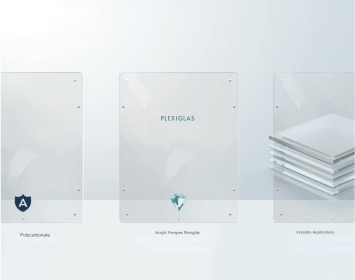
Read Guide →Polycarbonate vs Perspex vs Plexiglas
Material comparison guide with durability, clarity, and cost analysis for each.
Read Guide →Cutting Acrylic & Plexiglas
Step-by-step guide for cutting acrylic sheets with best practices for clean edges. Plexiglas acrylic sheets include a 30-year guarantee against yellowing.
Read Guide →The Smart Choice: Solid Polycarbonate Delivers Superior Value
Solid polycarbonate sheets offer an unmatched combination of safety, durability, clarity, and cost-effectiveness. Whether you're protecting high-risk environments, creating beautiful glazing, building robust structures, or developing premium displays, solid polycarbonate outperforms traditional glass and alternative plastics.
The 10-20+ year lifespan, superior impact resistance, lightweight installation, design flexibility, and lower lifetime cost make solid polycarbonate the intelligent choice for modern construction and fabrication projects. Your investment pays dividends through durability, reliability, and performance that glass simply cannot match.
Ready to specify solid polycarbonate for your project? Our expert team at 365 Plastics (Access Plastics) can help you select the perfect thickness, color, and UV protection for your specific application. Contact us at 01 8010022 or [email protected] for expert guidance and competitive pricing today.