-
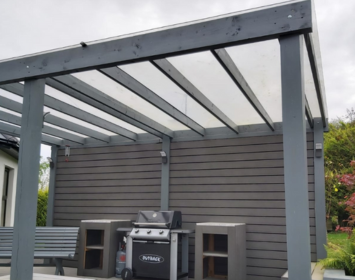
How Solid Polycarbonate Sheets Can Benefit Your Projects
September 25 2024 -
-

-

Cleaning Solid Polycarbonate Sheets
February 05 2024 -
PVC Cladding Installation Guide
November 01 2023 -
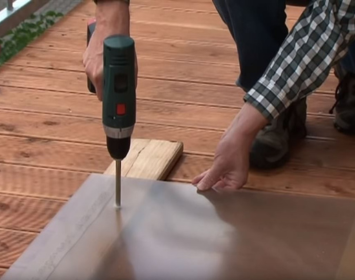
PLEXIGLAS® - Building a Balcony Privacy Screen
October 31 2023 -

Cutting PLEXIGLAS sheets
October 13 2023 -
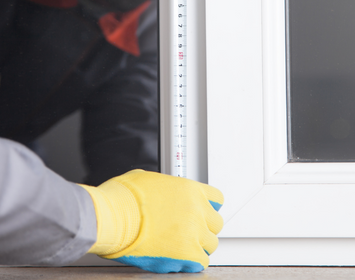
Installing Secondary Glazing
September 22 2022 -
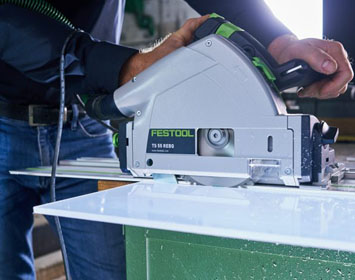
Cutting Polycarbonate Sheets
February 23 2021 -

MarPETg FS flat sheet
February 02 2021
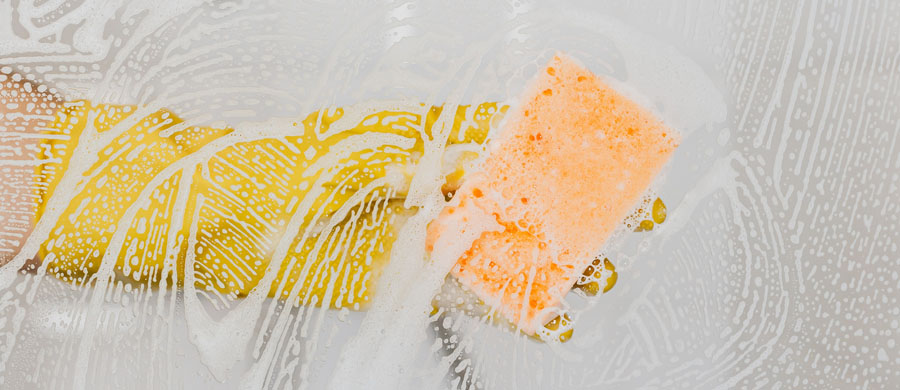
Cleaning Solid Polycarbonate Sheets
Mastering the Art of Polycarbonate Sheet Cleaning and Maintenance: A Comprehensive Guide
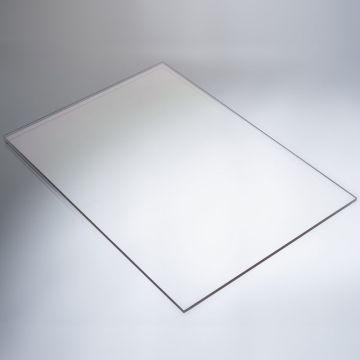
In order to maintain Marlon polycarbonate in a good condition it is recommended that the sheet be cleaned periodically using suitable household cleaning agents.
Polycarbonate sheets are renowned for their exceptional strength, impact resistance, and optical clarity, making them a popular choice for various applications such as safety barriers, greenhouse glazing, and DIY projects. To ensure the longevity and continued brilliance of your polycarbonate sheets, proper cleaning and maintenance are essential. In this comprehensive guide, we'll explore the best practices for cleaning polycarbonate sheets, common mistakes to avoid, and long-term maintenance tips. Download our polycarbonate cleaning guide.
Understanding Polycarbonate Sheets
Before we delve into the cleaning process, let's take a moment to understand why polycarbonate sheets are favored in different industries.
Why Polycarbonate Sheets?
- 1. 1. Exceptional Strength: Polycarbonate sheets are over 250 times stronger than glass of the same thickness, making them virtually unbreakable.
- 2. Impact Resistance: Ideal for safety barriers, protective screens, and riot shields due to their ability to withstand heavy impacts.
- 3. Optical Clarity: High natural light transmission without compromising strength, perfect for glazing applications.
- 4.Lightweight: Weighing half as much as glass, polycarbonate sheets are easy to handle and install.
- 5. Versatility: Used in a variety of applications, from construction projects to DIY endeavors.
The Cleaning Basics
1. Gentle Approach:
Polycarbonate sheets are robust but require a gentle touch during cleaning. Avoid abrasive materials that could scratch the surface.
2. Mild Soap and Water:
For routine cleaning, a solution of mild soap and lukewarm water is effective. Use a soft cloth or sponge to apply the solution and gently wipe the surface.
3. Microfiber Magic:
Opt for microfiber cloths to prevent scratching. These cloths are soft, lint-free, and effective in capturing dirt and dust particles.
4. Avoid Harsh Chemicals:
Steer clear of harsh chemicals, alcohol-based cleaners, or solvents, as they can compromise the material and lead to hazing or yellowing.
5. Rinse Thoroughly:
After cleaning, thoroughly rinse the surface with clean water to remove any soap residue.


Specialized Cleaning Techniques for Different Applications
1. Safety Barriers and Riot Shields:
These applications often face heavy impacts and may accumulate debris. Regular cleaning with a mild soap solution is essential.
2. Greenhouse Glazing:
To maintain optimal light transmission for plants, a gentle cleaning routine is crucial. Use a soft brush to remove dirt and dust, followed by a mild soap and water solution.
3. Protective Screens and Displays:
Microfiber cloths are ideal for cleaning displays, as they won't leave lint or scratches. For electronics embedded in polycarbonate, use specialized electronics cleaning solutions.
4. DIY Projects and Craft Applications:
Polycarbonate is a favourite for DIY enthusiasts. Clean with a mild soap solution to preserve its clarity, especially in projects like signage or displays.
Common Mistakes to Avoid
1. Abrasive Materials:
Scrubbing with abrasive materials can cause scratches, diminishing the optical clarity of the polycarbonate.
2. Incorrect Cleaning Solutions:
Using harsh chemicals or ammonia-based cleaners can lead to discoloration, hazing, or degradation of the material.
3. Neglecting Rinsing:
Failing to rinse thoroughly after cleaning can leave soap residue, affecting the appearance of the polycarbonate.
4. Using High-Pressure Cleaners:
High-pressure cleaning devices may damage the surface by exerting too much force. Stick to gentle cleaning methods.
5. Neglecting Regular Cleaning:
Consistency is key. Regular cleaning prevents the buildup of dirt and extends the lifespan of polycarbonate plastic.
Long-Term Maintenance Tips
1. Avoiding Scratches:
Handle polycarbonate sheets with clean hands or gloves to prevent scratches during installation or cleaning.
2. Protection from UV Rays:
Consider using UV-resistant coatings or films to protect polycarbonate from UV radiation, especially in outdoor applications.
3. Regular Inspection:
Periodically inspect the surface for any signs of damage or wear. Promptly address any issues to prevent further deterioration.
4. Temperature Considerations:
Clean polycarbonate sheets in moderate temperatures. Avoid cleaning in extreme heat or direct sunlight.
Manufacturer-Specific Recommendations
Different brands and types of polycarbonate sheets may have specific cleaning and maintenance instructions provided by the manufacturer. It's crucial to refer to these guidelines for optimal care and to avoid voiding any warranties.
Conclusion
Cleaning and maintaining polycarbonate sheets may seem like a simple task, but it requires attention to detail and adherence to best practices. By understanding the material's properties, avoiding common mistakes, and employing specialized techniques for different applications, you can ensure that your polycarbonate sheets remain clear, strong, and durable for years to come. Whether you're using them for safety barriers, greenhouse glazing, or DIY projects, a clean and well-maintained polycarbonate surface is key to unlocking its full potential. Consistent care will not only enhance the visual appeal of the material but also contribute to its longevity and continued performance in diverse applications.