


Polycarbonate vs Perspex vs Plexiglass: Which Plastic Sheet is Best for Your Project?
When selecting plastic sheets for your project—whether you're building a pergola roof, installing secondary glazing, or creating protective panels—you'll likely encounter three materials: polycarbonate, perspex, and plexiglas. While these names are often used interchangeably, they represent distinct materials with different properties, costs, and best applications.
This comprehensive guide breaks down the polycarbonate vs perspex vs plexiglass comparison so you can make an informed decision for your specific needs.
What's the Difference Between Polycarbonate, Perspex, and Plexiglass?
Quick Answer: These are two distinct material types with different properties:
- Polycarbonate (PC): Most durable transparent plastic—250× stronger than glass. Superior impact resistance, temperature range -40°C to +120°C, outdoor lifespan 15–20 years. Best for: High-impact outdoor applications like pergola roofs, greenhouses, protective barriers, and extreme weather environments.
- Perspex & Plexiglass (Acrylic/PMMA): Crystal-clear plastic—92% light transmission (vs 88% for polycarbonate). Lightweight, affordable, easy to cut. Outdoor lifespan 5–10 years (requires UV protection). Best for: Indoor displays, windows, signage, retail cases where optical clarity matters most.
- Important Note: Perspex and plexiglass are essentially the same material (acrylic)—different brand names with minor quality variations. When comparing "polycarbonate vs perspex vs plexiglass," you're really comparing two material types.
⭐ Bottom Line: Polycarbonate dominates on durability & outdoor performance. Perspex/Plexiglass excel on clarity & affordability. Choose based on your project's primary requirement: impact resistance (polycarbonate) or optical clarity (perspex/acrylic).
Quick Comparison: Which Material Wins?
| Performance Factor | Winner | Why This Matters |
|---|---|---|
| Impact Resistance | Polycarbonate | 250× stronger than glass—ideal for high-impact outdoor areas |
| Optical Clarity | Perspex/Acrylic | 92% light transmission vs 88% for polycarbonate—better for displays |
| Cost per Sheet | Multiwall PC | €104.50 (lowest cost + best durability combo) |
| Outdoor Durability | Polycarbonate | 15–20 year lifespan vs 5–10 years for perspex |
| Temperature Range | Polycarbonate | -40°C to +120°C (vs -40°C to +70°C for perspex) |
| Ease of Cutting | Perspex/Acrylic | Simple tools work fine (saw, drill, router) |
Table of Contents
- What Are Polycarbonate, Perspex, and Plexiglass?
- Key Differences Explained
- Durability & Lifespan Comparison
- Optical Clarity & Light Transmission
- Cost Analysis: Which is Most Affordable?
- Thermal & UV Properties
- Best Applications for Each Material
- Complete Specification Comparison Table
- How to Choose the Right Material
- Frequently Asked Questions
What Are Polycarbonate, Perspex, and Plexiglass?
Polycarbonate
Chemical Name: Polycarbonate (PC)
Key Property: Exceptional strength & impact resistance
A high-performance engineering plastic manufactured through polymerization of bisphenol A and phosgene. Creates a dense, rigid material significantly tougher than other transparent plastics.
Common Uses:
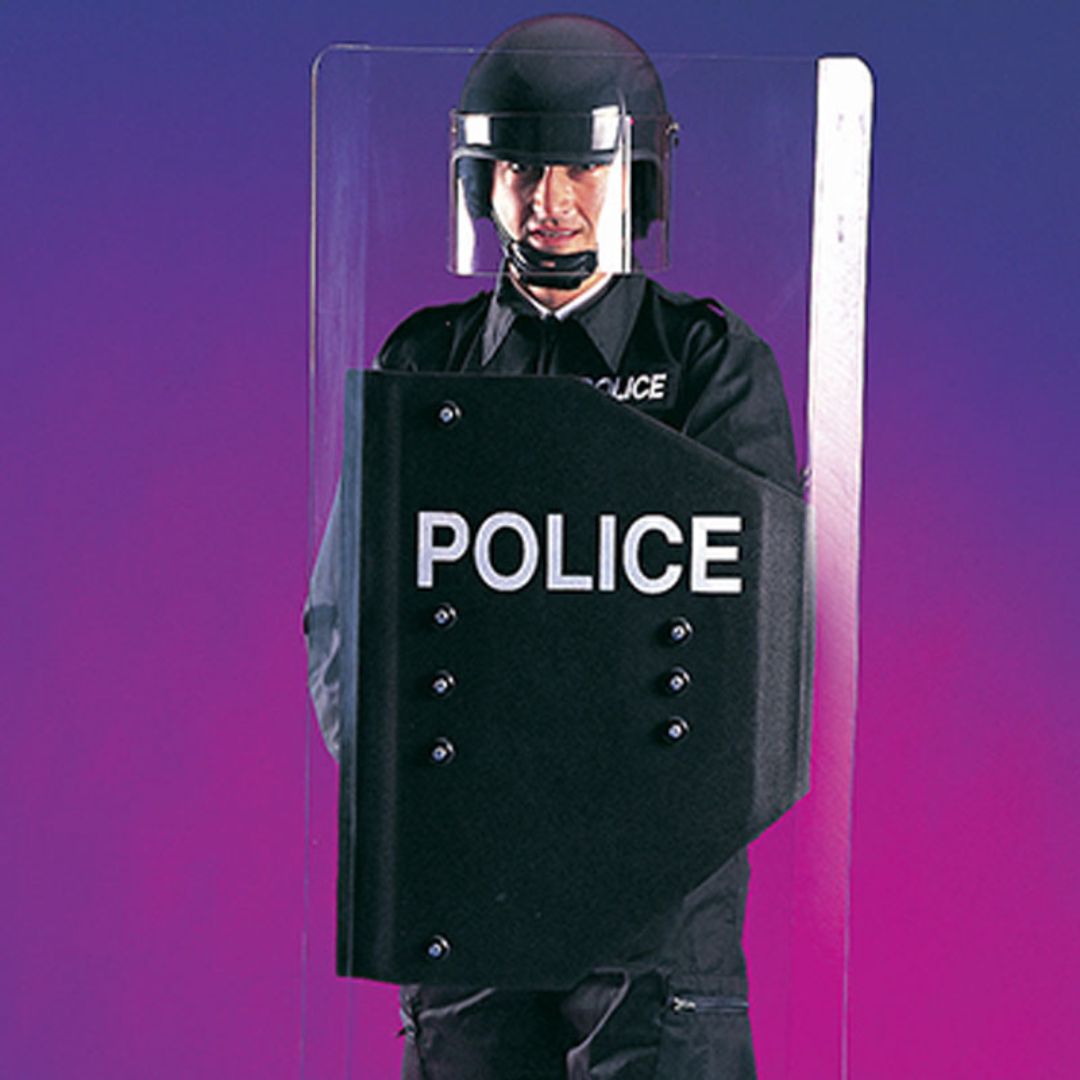
- Riot shields & protective barriers
- Greenhouse & roofing panels
- Safety helmets & eyewear
- Architectural skylights
- Industrial machine guards
Perspex (Acrylic)
Chemical Name: PMMA (Polymethyl Methacrylate)
Key Property: Crystal-clear clarity
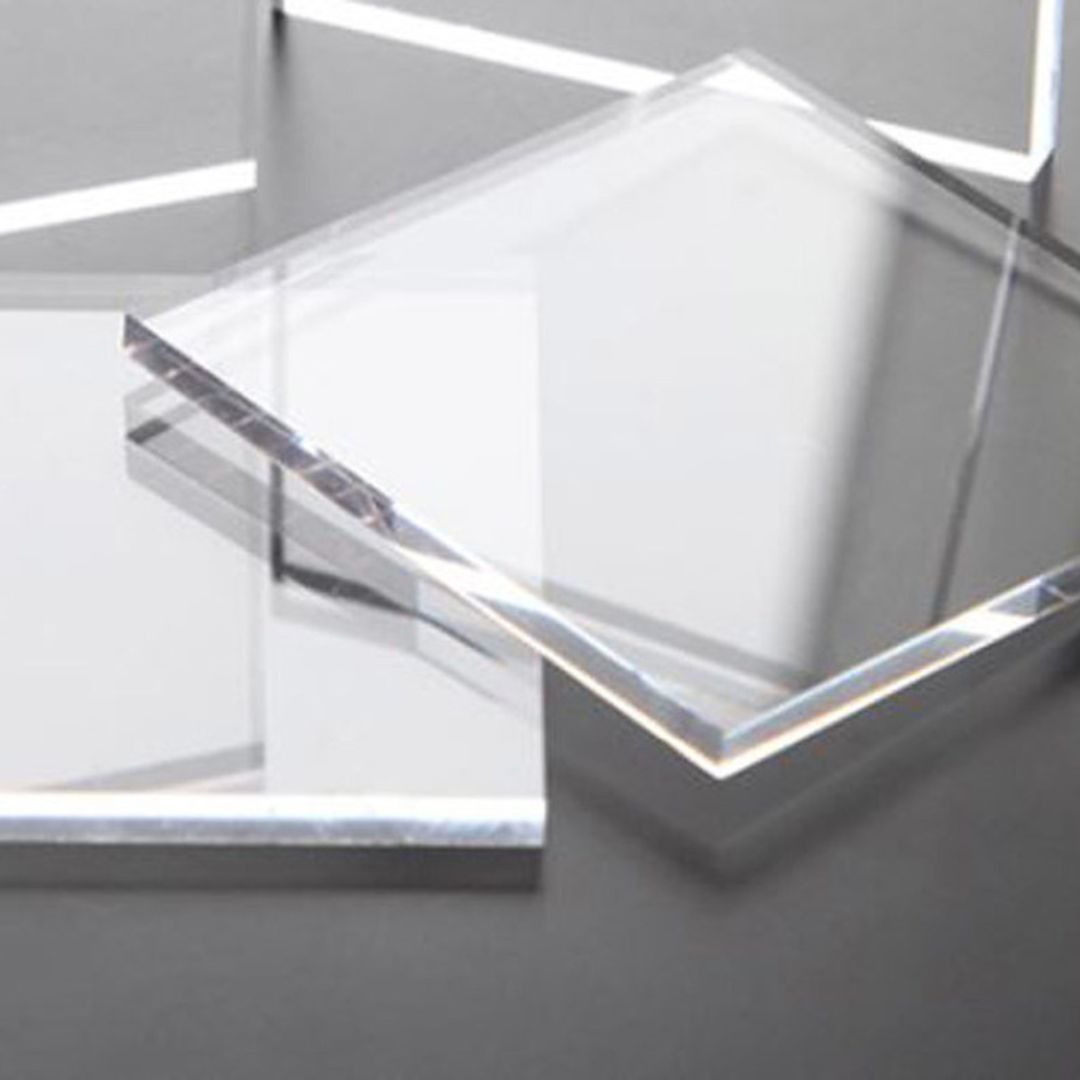
A lightweight, transparent thermoplastic offering exceptional optical clarity. Perspex is the trade name — ideal when crystal-clear visibility is critical.
Common Uses:
- Window & secondary glazing
- Retail display cases
- Signage & printed graphics
- Aquarium panels
- Acrylic mirrors
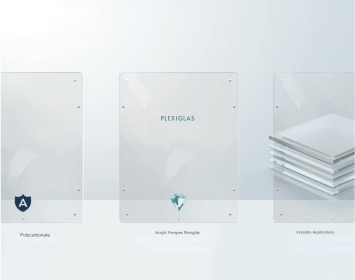
Plexiglass (Acrylic)
Brand Name: PLEXIGLAS
What It Is: Brand name for acrylic (PMMA)
In most cases, plexiglass and perspex are essentially the same material—acrylic PMMA with minor variations in manufacturing process and quality standards.
Key Point:
Plexiglass = Perspex = Acrylic
Different brand names, same material.
The Key Takeaway
When comparing polycarbonate vs perspex vs plexiglass, you're really comparing two material types:
Polycarbonate
Distinct material (one type only)
Acrylic (Perspex & Plexiglass)
Same material, different brand names
Material Composition & Structure
Key Differences Explained
▲ Polycarbonate (PC)
Thermoplastic polyester containing bisphenol A
Its molecular structure creates a harder, denser material with greater flexibility and impact absorption.
✓ Why It Matters:
Polycarbonate sheets withstand heavy impacts without shattering — ideal for outdoor, high-traffic, and protective applications.
★ Acrylic (PMMA) / Perspex
Made from acrylate compounds
Features a more rigid, brittle molecular structure. While this makes it extremely clear and hard, it's more prone to cracking under severe impacts.
✓ Why It Matters:
Superior optical clarity with minimal distortion — perfect for displays, windows, and interior applications where visibility is critical.
Head-to-Head Comparison
Optical Clarity
Perspex Wins ⭐
Perspex (Acrylic): Up to 92% light transmission with virtually no distortion
Polycarbonate: ~88% light transmission (still excellent, slight distortion)
Note: UV-stabilized polycarbonate maintains clarity effectively
Impact Resistance
Polycarbonate Wins ⭐
Polycarbonate: 250× stronger than glass, ~20–25× stronger than acrylic
Perspex/Acrylic: More brittle, can crack under severe impacts (still better than glass)
Result: Nearly unbreakable for high-impact environments
UV Resistance
Polycarbonate Wins ⭐
Polycarbonate: Denser structure handles UV better, coatings protect both sides
Perspex/Acrylic: Requires UV coatings, yellows/becomes brittle without protection
⚠️ Without UV coating: Acrylic fails in 5 years outdoors
Durability & Lifespan Comparison
Polycarbonate Lifespan
10–15 years (normal conditions) | 20+ years (premium UV-stabilized)
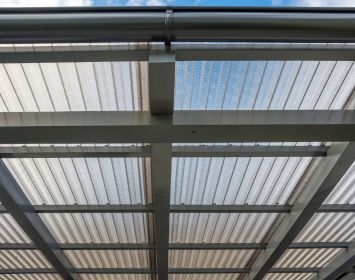
- Multiwall polycarbonate engineered for durability
- Ideal for greenhouses & pergola covers
- Maintains flexibility & strength over time
- UV-stabilized coatings extend life significantly
Acrylic Lifespan
10–15 years (indoors) | 5–10 years (outdoors)
- Degrades faster under intense UV exposure
- Best suited for sheltered & indoor use
- Requires UV coatings for outdoor applications
- Can become cloudy & weak without protection
Temperature & Environmental Performance
▲ Polycarbonate
Temperature Range: -40°C to +120°C
Maintains flexibility across wide temperature extremes, making it suitable for extreme climates—from arctic cold to desert heat.
✓ Perfect for: Arctic climates, hot roofing projects, outdoor extreme environments
★ Acrylic (Perspex)
Temperature Range: -40°C to +70°C
Becomes brittle at extreme cold and softens at high temperatures, limiting applications in harsh climates.
⚠️ Limited to: Climate-controlled indoors, sheltered areas only
????️ UV Protection Best Practice
Always choose UV-stabilized grades for outdoor applications. Both polycarbonate and perspex offer UV-protected versions that dramatically extend lifespan.
Polycarbonate: Our solid polycarbonate sheets include UV protection on both sides as standard
Acrylic: Requires UV-protective coatings to prevent yellowing & brittleness
Optical Clarity & Light Transmission
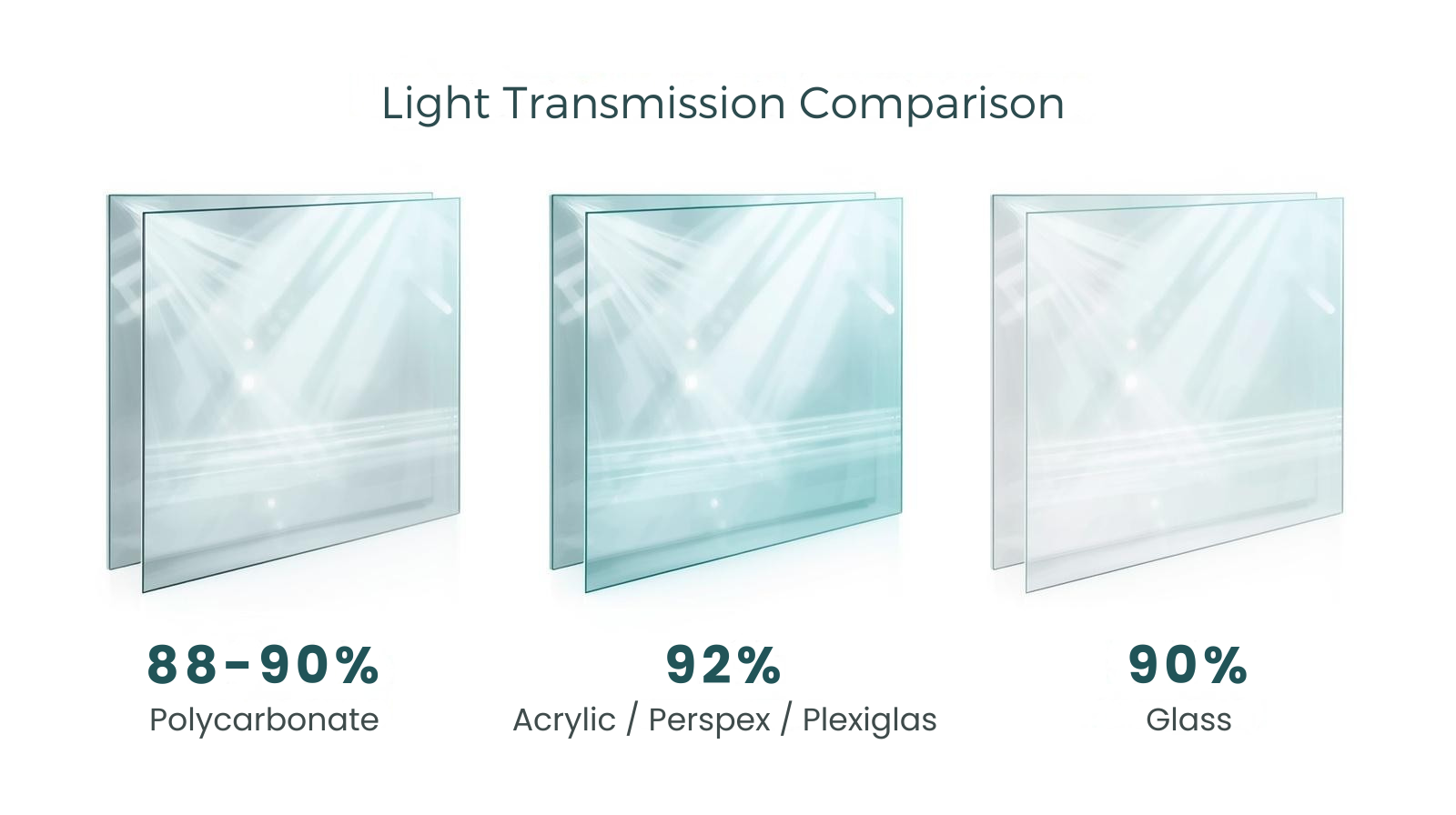
| Property | Polycarbonate | Perspex (Acrylic) |
|---|---|---|
| Light Transmission | 88–90% | 92% (Superior) |
| Optical Distortion | Slight (noticeable in some applications) | Minimal (crystal clear) |
| Yellowing Over Time | Minimal with UV coating | Minimal with UV coating |
| Color Options | Limited (clear, bronze, opal) | Extensive (various colors available) |
| Best For Visual Clarity | Secondary glazing, architectural panels | Display cases, signage, windows |
Why Perspex Wins for Transparency
Perspex's superior optical clarity makes it the go-to material for applications where appearance matters. Retail displays, museum cases, and high-end glazing all benefit from acrylic's crystal-clear properties. However, polycarbonate's slight optical distortion is often imperceptible for roofing and structural applications where clarity isn't the primary concern.
Cost Analysis: Which is Most Affordable?
Material Cost Comparison
Price & Best Use at a Glance
Acrylic
€142.25 per sheet - 3050mm x 2050mm
Clear. Affordable. Best for indoor projects and displays.
Lifespan: 5–10 years outdoors | Clarity: 92%
Solid Polycarbonate
€163.79 per sheet - 3050mm x 2050mm
Strong. Impact-resistant. Only 15% more than acrylic.
Lifespan: 10–15 years outdoors | Impact resistance: 250× stronger than glass
Multiwall Polycarbonate ⭐
€104.50 per sheet - 3000mm x 2100mm
(26% cheaper than acrylic!)
Best value for roofing projects.
- Lowest cost
- Superior thermal insulation (U-value 3.2 W/m²K)
- Longest lifespan: 15–20 years
- Reduces heating/cooling costs
Recommended for: Pergola roofs, greenhouses, skylights, covered structures
For Roofing Projects
Choose multiwall polycarbonate.
It combines three things no other material offers:
- ✓ Lowest upfront cost (€104.50 ex vat)
- ✓ Superior thermal performance (keeps heat in/out)
- ✓ Longest lifespan (15–20 years)
Result: Lowest total cost of ownership for roofing applications.
Thermal & UV Properties
Thermal Insulation Comparison
| Material | Thickness | U-Value | Performance |
|---|---|---|---|
| Single-wall Polycarbonate | 3mm | 5.41 W/m²K | Moderate insulation |
| Multiwall Polycarbonate | 10mm | 3.2 W/m²K | 40% better |
| Acrylic (PLEXIGLAS) | 3mm | 5.6 W/m²K | Similar to single-wall |
Multiwall Advantage: The hollow chamber structure creates air pockets that dramatically improve thermal performance. This makes multiwall polycarbonate ideal for pergola roofing and greenhouse applications, where temperature control reduces heating/cooling costs year-round.
UV Protection & Stability
✓ With UV Protection
- Blocks up to 99% of harmful UV rays
- Available for solid & multiwall options
- Maintains clarity & strength long-term
- Recommended for all outdoor use
✗ Without UV Protection
- Perspex yellows & becomes brittle
- Acrylic degrades faster than PC
- Reduced outdoor lifespan (3–8 years)
- Not recommended for outdoor projects
⭐ Always specify UV-stabilized grades for outdoor applications. This small investment ensures your materials remain clear, strong, and visually appealing throughout their lifespan. UV protection extends outdoor durability by 5–10+ years.
Summary: Cost & Performance by Material
| Factor | Acrylic | Solid Polycarbonate | Multiwall Polycarbonate |
|---|---|---|---|
| Initial Cost | Lowest | Mid-range | Lowest! ⭐ |
| Optical Clarity | Best (92%) | Good (88%) | Good (75–85%) |
| Impact Resistance | Good | Excellent ✓ | Excellent ✓ |
| Thermal Insulation | Moderate | Moderate | Excellent ⭐ |
| Outdoor Lifespan | 5–10 years | 10–15 years | 15–20 years ⭐ |
| Best For | Indoor & display | Safety & barriers | Roofing & greenhouses ⭐ |
| Total Cost Value | Good | Very Good | Outstanding ⭐ |
Which Material Should You Choose?
For Roofing Projects
Choose Multiwall Polycarbonate
- Lowest material cost (€104.50/sheet)
- Superior thermal insulation
- Longest outdoor lifespan (15–20 yrs)
- Extreme weather durability
- Best long-term value
Perfect for: Pergolas, greenhouses, skylights, covered structures
For Display & Interior
Choose Acrylic (Perspex)
- Crystal-clear clarity (92%)
- Most affordable option
- No optical distortion
- Extensive color options
- Easy to cut & fabricate
Perfect for: Retail displays, windows, signage, frames
For Safety & Protection
Choose Solid Polycarbonate
- Maximum impact resistance
- 250× stronger than glass
- Wide temperature range (-40°C to +120°C)
- High durability (10–15 yrs)
- Self-extinguishing (fire-safe)
Perfect for: Safety barriers, riot shields, machine guards
Best Applications for Each Material
Polycarbonate — Impact Durability
- Pergola roofs & outdoor canopies — Superior impact resistance withstands hail & weather
- Greenhouse panels — Multiwall provides insulation & durability
- Safety barriers & protective shields
- Machine guards & industrial applications
- Skylights & architectural glazing
- Any high-impact environment requiring durability
Acrylic — Crystal Clarity
- Secondary glazing & windows — Crystal clarity & affordability
- Retail displays & signage
- Interior decorative panels
- Acrylic mirrors & wall panels
- Photo frames & protective covers
- Budget-conscious outdoor projects (with UV protection)
- Applications requiring optical clarity & design flexibility
⚡ Quick Decision Guide
Need Impact Resistance & Durability?
→ Choose Polycarbonate (especially multiwall for roofing)
Need Crystal Clarity & Affordability?
→ Choose Acrylic (perspex/plexiglass)
Complete Specification Comparison
| Specification | Polycarbonate | Perspex (Acrylic) | Winner |
|---|---|---|---|
| Impact Resistance | 250× vs glass | 10–20× vs glass | Polycarbonate |
| Optical Clarity | 88–90% | 92% (Superior) | Perspex |
| Cost | Higher | Lower (10–15% less) | Perspex |
| Lifespan (Outdoor) | 15–20 years | 5–10 years | Polycarbonate |
| Temperature Range | -40°C to +120°C | -40°C to +70°C | Polycarbonate |
| UV Resistance | Excellent with coating | Good with coating | Polycarbonate |
| Thermal Insulation | Good (better with multiwall) | Good | Multiwall PC |
| Cutting & Fabrication | Requires proper tools | Easy (simple tools) | Perspex |
| Fire Rating | Good (self-extinguishing) | Moderate (flammable) | Polycarbonate |
| Color Options | Limited | Extensive (20+ colors) | Perspex |
How to Choose the Right Material
Assess Impact Requirements
Will your material face high impact, hail, or physical stress?
→ Choose Polycarbonate for high-impact areas
→ Acrylic works fine for sheltered/indoor use
Consider Outdoor vs. Indoor
Does your project face weather exposure?
→ Polycarbonate for outdoor durability
→ Acrylic for protected/indoor use
Evaluate Optical Clarity
Do you need crystal-clear visibility?
→ Choose Perspex for displays (92% clarity)
→ Polycarbonate for roofing (88% clarity fine)
Set Your Budget
Total cost of ownership matters:
- Acrylic: Low upfront, short lifespan (5–10 yrs)
- Solid PC: Mid cost, good durability (10–15 yrs)
- Multiwall PC: Lowest (€104.50), best value
Check Environmental Factors
Extreme Cold
→ Polycarbonate
< -40°C
Intense Heat
→ Polycarbonate
> +80°C
High UV
→ UV-Stabilized PC
Outdoor exposure
Climate Controlled
→ Acrylic
Indoor/sheltered
Ready to Order the Right Material for Your Project?
Browse our complete selection of polycarbonate and acrylic sheets, or use our free calculator to estimate material needs.
Frequently Asked Questions
Is perspex the same as plexiglass?
Yes, in most cases. Perspex and plexiglass are both brand names for acrylic (PMMA). The materials are chemically identical, though manufacturing processes and quality standards may vary slightly.
Can I use perspex for a pergola roof?
You can, but polycarbonate is recommended. Perspex is more brittle and lacks the impact resistance for outdoor roofing. UV-stabilized multiwall polycarbonate is the superior choice.
How thick should my plastic sheet be?
Thickness depends on application:
- Secondary glazing: 3–4mm acrylic
- Pergola roofing: 10–16mm multiwall PC
- Greenhouse panels: 10mm multiwall PC
- Protective shields: 10mm polycarbonate (minimum)
Can polycarbonate be recycled?
Yes, both polycarbonate and acrylic are recyclable. Check with your local recycling facility for acceptance. Consider recycling when replacing old sheets to reduce environmental impact.
Which material is more scratch-resistant?
Polycarbonate is more scratch-resistant due to its harder surface. However, both materials can be scratched. Protective films and proper cleaning techniques help prevent damage.
What's the best way to cut perspex or polycarbonate?
Perspex (acrylic): Simple tools work (circular saw, table saw, hand saw)
Polycarbonate: Requires fine-toothed blades and slower speeds to prevent cracking. Professional cutting services recommended for precision.
How do I prevent yellowing in outdoor applications?
Always choose UV-stabilized grades with UV-protective coatings. Both perspex and polycarbonate offer UV-protected versions. Proper installation and regular cleaning also extend lifespan significantly.
Making Your Final Choice
The answer to "polycarbonate vs perspex vs plexiglass—which is best?" depends entirely on your project's specific requirements. Here's how to decide:
Choose Polycarbonate If:
- Impact resistance & durability are essential
- Your project is outdoors (pergola, greenhouse, canopy)
- You require long-term performance (15+ years)
- Temperature extremes are a concern
Choose Acrylic If:
- Crystal-clear visibility is essential
- Your project is indoors or sheltered
- Budget is a primary constraint
- You need design flexibility or color options
The Bottom Line
Polycarbonate and perspex aren't interchangeable. Each material excels in different applications. By understanding the key differences—impact resistance, optical clarity, durability, and cost—you can confidently select the right plastic sheet for your specific project.
DIY Tools
Calculate sheets and accessories instantly for your roofing project.
Launch Roof CalculatorEstimate materials & costs for pergolas, greenhouses & covered structures