-
How Solid Polycarbonate Sheets Can Benefit Your Projects
September 25 2024 -
-
-

Cleaning Solid Polycarbonate Sheets
February 05 2024 -
PVC Cladding Installation Guide
November 01 2023 -
PLEXIGLAS® - Building a Balcony Privacy Screen
October 31 2023 -

Cutting PLEXIGLAS sheets
October 13 2023 -
Installing Secondary Glazing
September 22 2022 -
Cutting Polycarbonate Sheets
February 23 2021 -

MarPETg FS flat sheet
February 02 2021

PVC Cladding Installation Guide
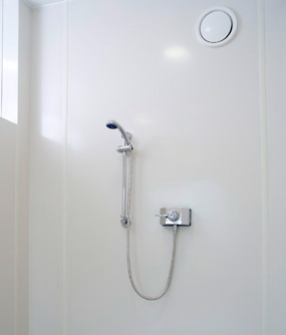
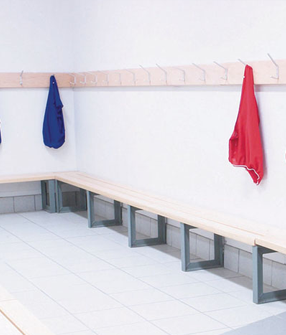
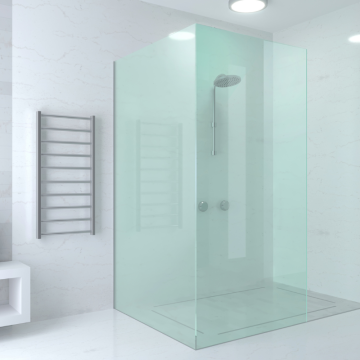
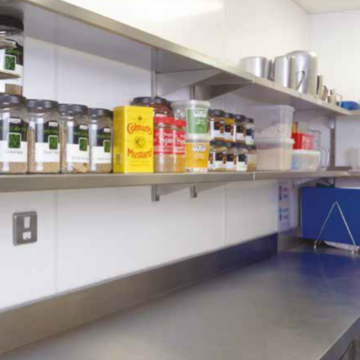
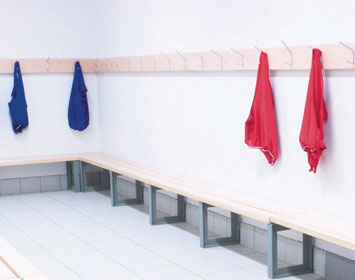
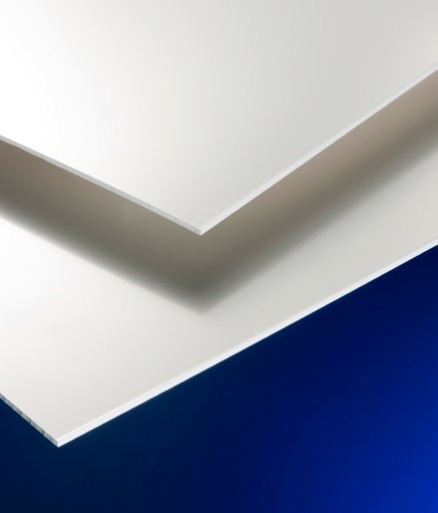
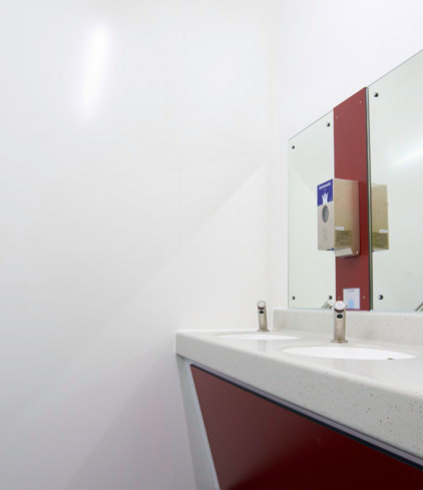
PVC Cladding Sheet and accessories are lightweight, easy to install and easy to clean. The tough and durable surface, available in a gloss finish, is impervious to dirt and grime. It is the perfect choice for wall and ceiling applications including bathrooms, shower rooms, changing rooms, commercial kitchens and animal housing.
IMPORTANT
These instructions are guidelines only and do not include all the appropriate equipment which should be used in accordance with safety regulations.
|
• Light in weight |
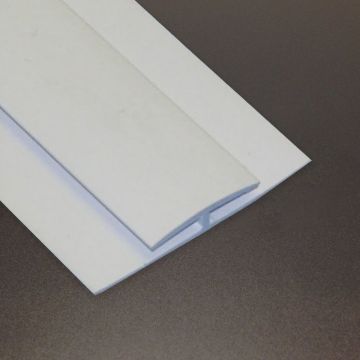
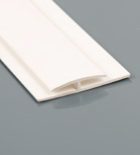
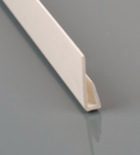
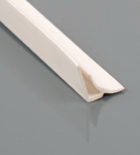
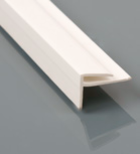
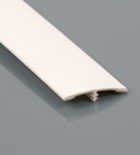
H-Section division bar |
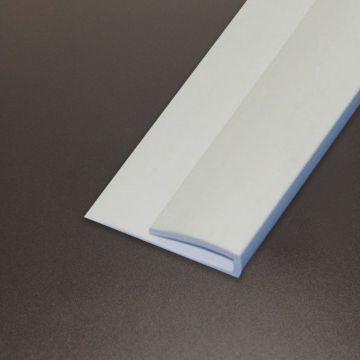
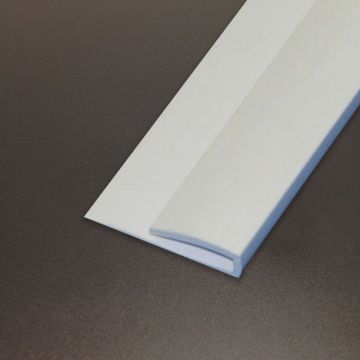
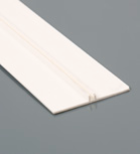
J-Section capping strip |
|
|
C-Profile inside corner |
F-Section external corner |
||
|
H-Section division cap |
H-Section division base |
||
INSTALLATION CHECKLIST
It is essential to maintain consistency of appearance when fitting PVC wall and ceiling cladding.
- • Ensure walls are smooth, level, dry, clean and free from dust.
- • Ensure power points, electrical switches, plumbing pipework etc. are all finished.
- • First, plans and measure where the cladding will go.
- • Never install cladding sheet near hot areas as this could distort the sheets
- • Ideally use sheets from the same production batch and in the same orientation, for each project.
- • Store cladding for 24 hours at a similar temperature to the destination room temperature.
INSTALLATION
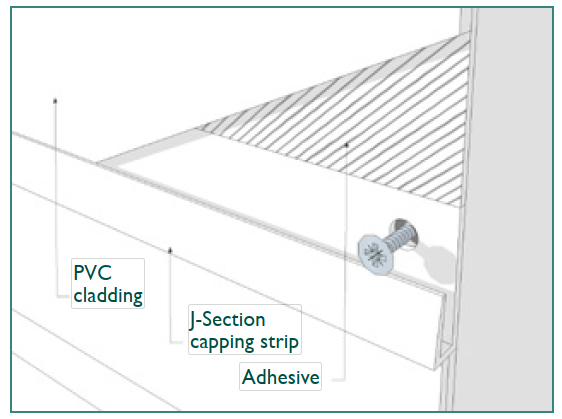
Use the J-Sections to frame the top and bottom edges of the sheets. Screw the J-Section to the wall as shown, over beads of silicone.
Apply adhesive to the back of the sheet and apply a bead of silicone to the inside of the J-Section to make a watertight seal with the sheet. The silicone seal is especially important at the base, where wet cleaning may occur.
Drop the first sheet in to the bottom J-Section and flex it into the top J-Section, leaving a couple of mm clearance inside the profiles for thermal expansion.
If using a one part H-Section, apply a bead of silicone to the inside of the profile, then slide the H-Section onto the sheet’s vertical edge. Leave a 2-3mm expansion gap inside the profile.
Screw the H-Section to the wall as shown.
Continue with the next sheet along by dropping it into the bottom J-Section, flexing it into the top J-Section, and sliding the sheet sideways to the H-Section.
Ease the sheet into the H-Section starting at the bottom and working up the sheet, at a slight angle.

If using a two part H-Section, apply a bead of silicone to the inside of the profile, then slide the H- Section base behind the sheet.
Leave a 2-3mm expansion gap between the edge of the sheet and the central fin of the base, and screw the base to the wall as shown.
Continue with the next sheet along by dropping it into the bottom J-Section, flexing it into the top J-Section, and sliding the sheet sideways to the
H-Section.
Once all sheets are in position, press to click the H-section top caps in place.
Use Inside Corner C-Profiles and External Corner F-Profiles where walls come together to form an angle.
Screw the profile to the wall, use sealant, slide sheets in and leave a 2-3mm expansion gap in a similar way to the H-Sections.
Remove the protective film from sheets after installation is complete.


CUTTING
Use a craft knife or a saw with a sharp blade designed for cutting wood or plastic. This gives a cleaner result than fine tooth metal saws. Sheets at room temperature are easier to cut.
Recommendations |
Circular Saw – 40/60 Diamond Grit Blade |
| Clearance Angle | 10 - 15 |
| Rake Angle | 0 - 6 |
| Cutting Speed | 1800 2400m/min |
| Feed Speed | 19 – 25m/min |
ADHESIVES
The recommended adhesive for installing PVC Cladding sheet is Polyurethane (PU) to be applied to the back of the cladding sheet.
In most situations, one 300ml cartridge of PU adhesive per 2400 x 1200 (8ft x 4ft) sheet is sufficient.
CLEANING
Anti-static cleaner or warm soapy water can be used with soft cloths or wipes. DO NOT use abrasives or squeegees. Pressure cleaning systems may be used at a minimum distance of 600mm (2ft) from the wall surface. Ensure the water is warm, not hot.
TEMPERATURE
The cladding sheets are non-toxic, impervious to dirt and easy to clean and can be used from -20o to +60oC, so can be used in a range of domestic and industrial settings, including cladding food preparation areas.
Check out our PVC Wall & Ceiling Cladding Sheets.
Download our Trovidur EC Cladding installation guide pdf
|
|
 |
|